


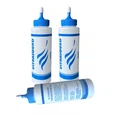


A blood collection pen is a crucial device in the medical and laboratory fields, designed to simplify and streamline the process of needle insertion for blood sampling. As a supplier of blood collection pens, understanding the mechanism behind these devices is essential for both our customers and us. In this blog, we will delve into the intricate details of how a blood collection pen operates to ensure efficient and accurate needle insertion.

The Basic Components of a Blood Collection Pen
Before we explore the mechanism, let's first familiarize ourselves with the main components of a typical blood collection pen. A blood collection pen usually consists of a housing, a spring-loaded mechanism, a needle holder, and a trigger. The housing is the outer casing that encloses all the internal components and provides a comfortable grip for the user. The spring-loaded mechanism is the heart of the pen, responsible for generating the force required to insert the needle into the skin. The needle holder securely holds the needle in place and ensures its proper alignment during insertion. The trigger is the part that the user presses to activate the pen and initiate the needle insertion process.
The Mechanism of Needle Insertion
The process of needle insertion using a blood collection pen can be divided into several steps. First, the user loads a sterile needle into the needle holder. This is typically a straightforward process that involves inserting the needle into the designated slot in the holder until it clicks into place. Once the needle is loaded, the user primes the pen by pulling back on a plunger or a similar mechanism. This action compresses the spring inside the pen, storing potential energy that will be used to drive the needle into the skin.
When the user is ready to collect blood, they place the tip of the pen against the skin at the desired puncture site. The pen is usually designed to have a small, circular opening at the tip that allows the needle to protrude through. With a firm grip on the pen, the user presses the trigger. This releases the compressed spring, which rapidly expands and drives the needle holder forward. As the needle holder moves forward, the needle is pushed through the opening in the tip of the pen and into the skin.

The speed and force of the needle insertion are carefully calibrated to ensure a quick and relatively painless puncture. The spring mechanism is designed to provide a consistent and controlled amount of force, which helps to minimize the discomfort experienced by the patient. Additionally, the pen is often designed to have a short needle insertion depth, which further reduces pain and the risk of injury.
Safety Features
In addition to its efficient mechanism of needle insertion, a blood collection pen also incorporates several safety features to protect both the user and the patient. One of the most important safety features is the retractable needle. After the needle has been inserted into the skin and blood has been collected, the pen is designed to automatically retract the needle back into the housing. This helps to prevent accidental needlestick injuries, which can pose a significant risk of infection for healthcare workers.

Another safety feature is the single-use design of the pen. Most blood collection pens are intended for one-time use only, which helps to prevent the spread of infectious diseases. Once the pen has been used, it is typically disposed of in a proper sharps container to ensure safe handling and disposal.
Compatibility with Other Laboratory Equipment
Blood collection pens are often used in conjunction with other laboratory equipment, such as Laboratory Pipette Tips, Disposable Vacuum Blood Collection Tube, and Laboratory Glass Microscope Slide. After the blood has been collected using the pen, it can be transferred to a pipette tip for further analysis or placed in a vacuum blood collection tube for storage. The blood can also be smeared onto a microscope slide for microscopic examination.
Quality Assurance and Manufacturing Standards
As a supplier of blood collection pens, we are committed to ensuring the highest quality and safety standards for our products. Our pens are manufactured in state-of-the-art facilities that adhere to strict quality control measures. We use only the highest quality materials and components to ensure the reliability and performance of our pens.
Before our products are released to the market, they undergo rigorous testing and validation to ensure that they meet all relevant regulatory requirements. We also provide comprehensive training and support to our customers to ensure that they are able to use our products safely and effectively.
Conclusion
In conclusion, the mechanism of a blood collection pen for needle insertion is a complex and sophisticated process that involves a combination of mechanical engineering, materials science, and medical design. By understanding how these devices work, healthcare professionals can use them more effectively and safely to collect blood samples from patients.

As a leading supplier of blood collection pens, we are dedicated to providing our customers with high-quality products that meet their needs and exceed their expectations. If you are interested in learning more about our blood collection pens or would like to discuss a potential procurement, please feel free to contact us. We look forward to working with you to provide the best solutions for your laboratory and healthcare needs.
References
- [1] "Medical Device Technology: Design, Development, and Manufacturing." Edited by John G. Webster. Wiley, 2006.
- [2] "Clinical Laboratory Science Review." By Michael Laposata. Elsevier, 2014.
- [3] "Handbook of Blood Banking and Transfusion Medicine." Edited by Denise M. Harmening. F.A. Davis Company, 2012.