


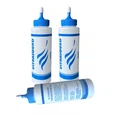


Hey there! As a supplier of Blood Collection Pen, I often get asked a bunch of questions about our products. One query that comes up quite a lot is “Can a Blood Collection Pen be used for electrolyte testing?” Today, I'm gonna dig into this topic and give you the low - down on it.
Let's first have a quick look at what a Blood Collection Pen is. It's a nifty little device designed to make blood collection a whole lot easier and less painful. The pen is equipped with a lancet that quickly pierces the skin, allowing for a small amount of blood to be drawn. It's commonly used in various settings, from home glucose testing to small - scale clinical applications.
Now, onto electrolyte testing. Electrolytes are basically minerals in our body that carry an electric charge. They play crucial roles in many bodily functions, such as maintaining proper nerve and muscle function, regulating fluid balance, and ensuring the heart beats normally. Common electrolytes include sodium, potassium, chloride, and bicarbonate. Testing these electrolytes is important for diagnosing and monitoring a variety of medical conditions, like kidney disease, heart problems, and dehydration.
So, the big question: can we use a Blood Collection Pen for electrolyte testing? Well, the short answer is yes, but with some limitations.
Advantages of Using a Blood Collection Pen for Electrolyte Testing
1. Convenience and Ease of Use
One of the major perks of using a Blood Collection Pen for electrolyte testing is its convenience. It's a handheld device that can be used pretty much anywhere. Whether you're at home, in a doctor's office, or even on the go, you can easily collect a small sample of blood using the pen. This is especially beneficial for patients who need to regularly monitor their electrolyte levels, as they can do it themselves without the need for a visit to a laboratory.
2. Reduced Pain
Another great thing about the Blood Collection Pen is that it significantly reduces the pain associated with blood collection. The lancet in the pen is designed to make a quick, precise puncture, which is much less painful than traditional methods like venipuncture. For patients who are afraid of needles or have a low pain tolerance, this can be a real game - changer.
3. Small - Sample Requirements
Electrolyte testing often doesn't require a large amount of blood. The Blood Collection Pen can collect just the right amount of blood needed for these tests, which is great because it minimizes the discomfort for the patient and also reduces the risk of complications associated with larger blood draws.
Limitations of Using a Blood Collection Pen for Electrolyte Testing
1. Sample Quantity and Quality
While the Blood Collection Pen can collect a small amount of blood, in some cases, this amount might not be sufficient for comprehensive electrolyte testing. Some advanced testing methods or multiple tests may require a larger volume of blood. Additionally, the quality of the sample collected by the pen can be affected by factors such as improper technique, skin contamination, or hemolysis (the breakdown of red blood cells). These issues can lead to inaccurate test results.
2. Limited Testing Scope
The Blood Collection Pen is mainly suitable for point - of - care or home - based electrolyte testing. For more in - depth and detailed electrolyte analysis, such as in a research or large - scale clinical setting, more sophisticated blood collection methods and equipment are usually required. For example, in a hospital laboratory, Disposable Vacuum Blood Collection Tube is often used to collect a larger volume of blood for a comprehensive panel of tests.
3. Accuracy Concerns
The accuracy of electrolyte testing using a Blood Collection Pen can be influenced by several factors. As mentioned earlier, sample quality is a big factor. Also, the calibration of the testing equipment used in conjunction with the pen is crucial. If the equipment is not properly calibrated, it can lead to false readings, which can have serious implications for patient diagnosis and treatment.


How to Ensure Successful Electrolyte Testing with a Blood Collection Pen
1. Proper Technique
Using the Blood Collection Pen correctly is essential. Make sure to clean the puncture site thoroughly with an alcohol swab and let it dry completely. Then, follow the manufacturer's instructions for using the pen. The depth of the lancet penetration should be adjusted according to the patient's skin thickness to ensure an adequate blood sample is obtained.
2. Quality Testing Equipment
Pair the Blood Collection Pen with high - quality electrolyte testing equipment. Make sure the equipment is regularly calibrated and maintained. This will help to minimize errors and ensure accurate test results.
3. Sample Handling
Handle the blood sample carefully. Avoid touching the sample with your fingers, as this can contaminate it. Transfer the sample to the testing device as soon as possible to prevent any changes in the electrolyte levels due to factors like evaporation or oxidation.
Applications of Blood Collection Pen in Electrolyte Testing
1. Home Monitoring
For patients with chronic conditions that affect their electrolyte levels, such as diabetes or kidney disease, home monitoring using a Blood Collection Pen can be a valuable tool. It allows them to keep track of their electrolyte levels on a regular basis and make informed decisions about their diet, medication, and lifestyle.
2. Point - of - Care Testing
In a doctor's office or a small clinic, a Blood Collection Pen can be used for quick electrolyte testing. This allows for immediate diagnosis and treatment decisions, especially in emergency situations or when waiting for laboratory results is not an option.
Other Related Products in the Laboratory
Apart from the Blood Collection Pen, there are other products that are commonly used in the laboratory for blood collection and testing. One such product is the Disposable Vacuum Blood Collection Tube. These tubes are used to collect a larger volume of blood and are often used in conjunction with different additives to preserve the blood sample for various tests. Another product is the Petri Dish 90x15mm, which is used in microbiology labs for culturing and growing microorganisms.
If you're in the market for a reliable Blood Collection Pen or other laboratory products, don't hesitate to reach out. We offer high - quality products at competitive prices. Whether you're a healthcare provider, a researcher, or an individual looking for home - based testing solutions, we've got you covered. Contact us to start a procurement discussion and find out how our products can meet your needs.
References
- Vanders Human Physiology: The Mechanisms of Body Function. McGraw - Hill Education.
- Clinical Laboratory Science Review by Paxton and Smith. F.A. Davis Company.