





Before undergoing an ECG/EKG test, there are several important steps and considerations that can ensure the accuracy of the results and make the testing process as smooth as possible. As a trusted supplier of ECG and EKG equipment, I understand the significance of these preparations from both a medical and a practical perspective. In this blog, I'll walk you through what you should do before an ECG/EKG test.
Understanding the Basics of ECG/EKG
First, it's essential to have a basic understanding of what an ECG/EKG test is. An electrocardiogram (ECG or EKG) is a simple, non - invasive test that records the electrical activity of your heart. It can help doctors detect various heart conditions, such as arrhythmias, heart attacks, and heart failure. By measuring the electrical signals in your heart, the test provides valuable information about the heart's rhythm and structure.
Consult with Your Doctor
Before the test, schedule a consultation with your doctor. This is an opportunity to discuss any concerns or questions you may have about the ECG/EKG test. Inform your doctor about your medical history, including any pre - existing heart conditions, medications you're taking, allergies, and recent surgeries or illnesses. Certain medications can affect the electrical activity of your heart, and your doctor may advise you to stop taking them temporarily before the test. For example, some anti - arrhythmic drugs can alter the ECG readings.
Dress Appropriately
Wear comfortable, loose - fitting clothing on the day of the test. You'll need to expose your chest, arms, and legs for the electrodes to be attached. Avoid wearing clothes with metal zippers, buttons, or underwire bras, as these can interfere with the electrical signals and affect the accuracy of the test. It's also a good idea to bring a change of clothes if you're coming from work or other activities.

Avoid Stimulants
Stimulants such as caffeine, nicotine, and energy drinks can increase your heart rate and cause irregularities in your heart's electrical activity. It's recommended to avoid consuming these substances for at least 24 hours before the test. This includes coffee, tea, soda, cigarettes, and chewing tobacco. By eliminating stimulants, you can ensure that your heart is in a more natural state during the test, providing more accurate results.
Relax and Reduce Stress
Stress and anxiety can also affect your heart rate and rhythm. Try to relax before the test by practicing deep breathing exercises, meditation, or listening to calming music. You can also arrive at the testing facility a little early to give yourself time to settle in and get comfortable. A calm and relaxed state of mind will help your heart function normally during the test.
Clean Your Skin
Proper skin preparation is crucial for a good electrode - skin contact. The electrodes used in an ECG/EKG test need to make a good electrical connection with your skin to accurately record the heart's electrical signals. Before the test, take a shower or bath and gently clean the areas where the electrodes will be placed. Avoid using lotions, creams, or oils on these areas, as they can create a barrier between the electrodes and your skin, reducing the quality of the signal.
Fasting (if required)
In some cases, your doctor may recommend fasting before the test. This is usually for patients who are undergoing additional tests along with the ECG/EKG, such as blood tests. Fasting helps to ensure that the blood test results are accurate. If fasting is required, your doctor will give you specific instructions on how long to fast and what you can and cannot drink during the fasting period.
Know What to Expect During the Test
Before the test, ask the technician or your doctor to explain the procedure to you. Knowing what to expect can reduce your anxiety and make the process more comfortable. During the test, you'll be asked to lie down on a table. The technician will attach small electrodes to your chest, arms, and legs using adhesive pads. These electrodes are connected to an ECG/EKG machine, which records the electrical activity of your heart. You'll need to lie still and avoid talking or moving during the test, as movement can cause artifacts in the recording.
Consider Using Our Quality Products
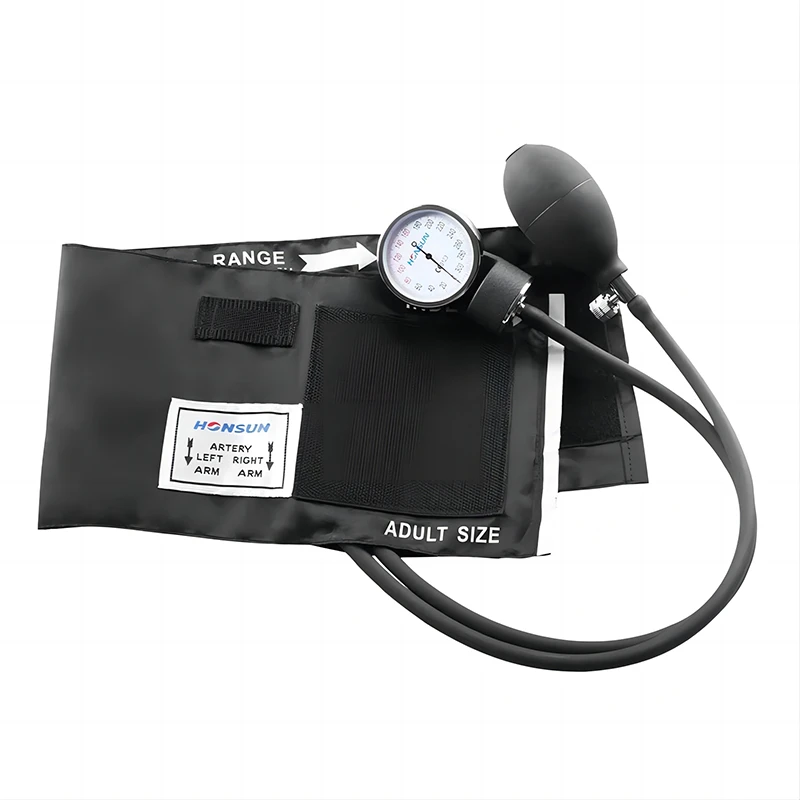
As an ECG and EKG supplier, we offer a range of high - quality products that can enhance the accuracy and efficiency of ECG/EKG tests. For example, our Cardiology Aneroid Sphygmomanometer with Stethoscope is a reliable tool for measuring blood pressure, which is often an important part of a comprehensive cardiac evaluation. It provides accurate readings and is easy to use.
Our ECG Electrode Production Line is designed to produce high - quality electrodes that ensure excellent electrical conductivity and skin adhesion. These electrodes are essential for obtaining clear and accurate ECG/EKG recordings.
In addition, our Therasonic Conductive Gel is specially formulated to improve the electrical contact between the electrodes and the skin. It helps to reduce impedance and enhance the quality of the signal, resulting in more reliable test results.

Contact Us for Procurement
If you're in the market for ECG and EKG equipment, we're here to help. Our products are designed to meet the highest standards of quality and performance. Whether you're a hospital, a clinic, or a medical device distributor, we can provide you with the right solutions for your needs. Contact us to start a procurement discussion and find out how our products can benefit your practice.

References
- American Heart Association. "Electrocardiogram (ECG or EKG)."
- Mayo Clinic. "Electrocardiogram (ECG or EKG): What to expect."
- National Heart, Lung, and Blood Institute. "Heart Health: Electrocardiogram (ECG)."