





When it comes to hospital uniforms, the choice of materials is of utmost importance. As a hospital uniform supplier, I've witnessed firsthand how the right materials can significantly impact the functionality, comfort, and safety of healthcare professionals. In this blog, I'll delve into the common materials used in hospital uniforms, their characteristics, and why they matter in a medical setting.
Cotton
Cotton is one of the most widely used materials for hospital uniforms, and for good reason. It is a natural fiber that is soft, breathable, and comfortable to wear. Cotton allows air to circulate around the body, which helps to keep the wearer cool and dry, even during long shifts. This is especially important in a hospital environment where healthcare workers are often on their feet for extended periods and may be exposed to a variety of temperatures and humidity levels.
Another advantage of cotton is its absorbency. It can absorb moisture from the skin, such as sweat, and wick it away, keeping the wearer feeling fresh and comfortable. This is particularly beneficial in areas where there is a high risk of contamination, as it helps to prevent the growth of bacteria and other microorganisms.
Cotton is also relatively easy to care for. It can be machine-washed and dried, and it retains its shape and color well over time. However, it is important to note that cotton can wrinkle easily, which may require some ironing to maintain a professional appearance.
Polyester
Polyester is a synthetic fiber that is often blended with cotton to create hospital uniforms. It is known for its durability, wrinkle resistance, and quick-drying properties. Polyester is also less likely to shrink or fade than cotton, making it a popular choice for uniforms that need to withstand frequent washing and wear.
One of the main advantages of polyester is its strength. It is more resistant to tearing and abrasion than cotton, which makes it ideal for uniforms that are subjected to a lot of movement and activity. Polyester also has a smooth surface, which makes it less likely to attract dirt and stains.
In addition to its durability, polyester is also a good choice for uniforms that need to be lightweight and breathable. When blended with cotton, it can help to improve the overall comfort of the uniform by reducing the weight and increasing the breathability.
However, polyester is not as absorbent as cotton, which means that it may not be the best choice for uniforms that are worn in hot and humid environments. It can also be prone to static electricity, which may cause discomfort for the wearer.

Cotton-Polyester Blends
Cotton-polyester blends are a popular choice for hospital uniforms because they combine the best properties of both materials. By blending cotton and polyester, manufacturers can create uniforms that are comfortable, durable, and easy to care for.
The ratio of cotton to polyester in a blend can vary depending on the specific needs of the uniform. A common blend is 65% polyester and 35% cotton, which provides a good balance of durability and comfort. This blend is often used for scrubs, lab coats, and other types of hospital uniforms.
Cotton-polyester blends offer several advantages over pure cotton or polyester uniforms. They are more wrinkle-resistant than pure cotton, which means that they require less ironing. They are also more durable than pure cotton, which makes them a good choice for uniforms that are subjected to a lot of wear and tear.
In addition, cotton-polyester blends are often more affordable than pure cotton or polyester uniforms. This makes them a cost-effective option for hospitals and other healthcare facilities that need to purchase a large number of uniforms.
Rayon
Rayon is a semi-synthetic fiber that is made from wood pulp. It is known for its softness, drape, and absorbency, which makes it a popular choice for hospital uniforms. Rayon has a similar feel to cotton, but it is more lightweight and breathable.
One of the main advantages of rayon is its comfort. It is soft and smooth against the skin, which makes it ideal for uniforms that are worn for long periods of time. Rayon also has a high moisture absorption rate, which helps to keep the wearer cool and dry.
In addition to its comfort, rayon is also a good choice for uniforms that need to have a professional appearance. It has a smooth and lustrous surface, which gives it a more refined look than cotton or polyester.
However, rayon is not as durable as cotton or polyester, which means that it may not be the best choice for uniforms that are subjected to a lot of wear and tear. It is also more prone to shrinking and wrinkling than cotton or polyester, which may require some special care to maintain its shape and appearance.
Spandex
Spandex, also known as Lycra, is a synthetic fiber that is often used in hospital uniforms to provide stretch and flexibility. It is a highly elastic material that can stretch up to 500% of its original length and then return to its original shape.
One of the main advantages of spandex is its ability to provide a comfortable and secure fit. It can conform to the body's shape, which helps to reduce the risk of the uniform bunching up or riding up during movement. This is especially important for uniforms that are worn during physical activities, such as surgery or patient care.
In addition to its stretch and flexibility, spandex is also a good choice for uniforms that need to be breathable. It allows air to circulate around the body, which helps to keep the wearer cool and dry.
However, spandex is not as durable as cotton or polyester, which means that it may not be the best choice for uniforms that are subjected to a lot of wear and tear. It is also more expensive than other materials, which may make it a less cost-effective option for some hospitals and healthcare facilities.
Other Materials
In addition to the materials mentioned above, there are several other materials that are used in hospital uniforms, depending on the specific needs of the uniform. These materials include:
- Nylon: Nylon is a synthetic fiber that is known for its strength, durability, and resistance to abrasion. It is often used in the construction of hospital gowns and other protective clothing.
- Acrylic: Acrylic is a synthetic fiber that is similar to wool in terms of its appearance and feel. It is often used in the construction of sweaters and other cold-weather clothing for healthcare workers.
- Linen: Linen is a natural fiber that is made from the flax plant. It is known for its breathability, absorbency, and coolness. Linen is often used in the construction of summer uniforms and other lightweight clothing.
Importance of Material Selection
The choice of materials for hospital uniforms is not just a matter of comfort and appearance. It can also have a significant impact on the safety and well-being of healthcare professionals and patients. Here are some of the key factors to consider when selecting materials for hospital uniforms:
- Comfort: Healthcare workers spend long hours on their feet, often in demanding and stressful environments. It is important that their uniforms are comfortable to wear, so that they can focus on providing quality care to their patients.
- Durability: Hospital uniforms are subjected to a lot of wear and tear, including frequent washing and exposure to chemicals and other substances. It is important that the materials used in the uniforms are durable enough to withstand these conditions and maintain their shape and color over time.
- Safety: Hospital uniforms need to provide a certain level of protection for healthcare workers and patients. This may include protection against infection, chemicals, and other hazards. The materials used in the uniforms should be selected based on their ability to provide this protection.
- Hygiene: Hospital uniforms need to be easy to clean and maintain to prevent the spread of infection. The materials used in the uniforms should be able to withstand frequent washing and disinfection without losing their shape or color.
- Appearance: Hospital uniforms are a reflection of the professionalism and credibility of the healthcare facility. It is important that the uniforms look neat and clean, and that they present a positive image to patients and visitors.
Our Product Offerings
As a hospital uniform supplier, we offer a wide range of uniforms made from high-quality materials. Our product line includes scrubs, lab coats, gowns, and other types of protective clothing. We also offer custom embroidery and printing services to help you personalize your uniforms and create a unique look for your healthcare facility.
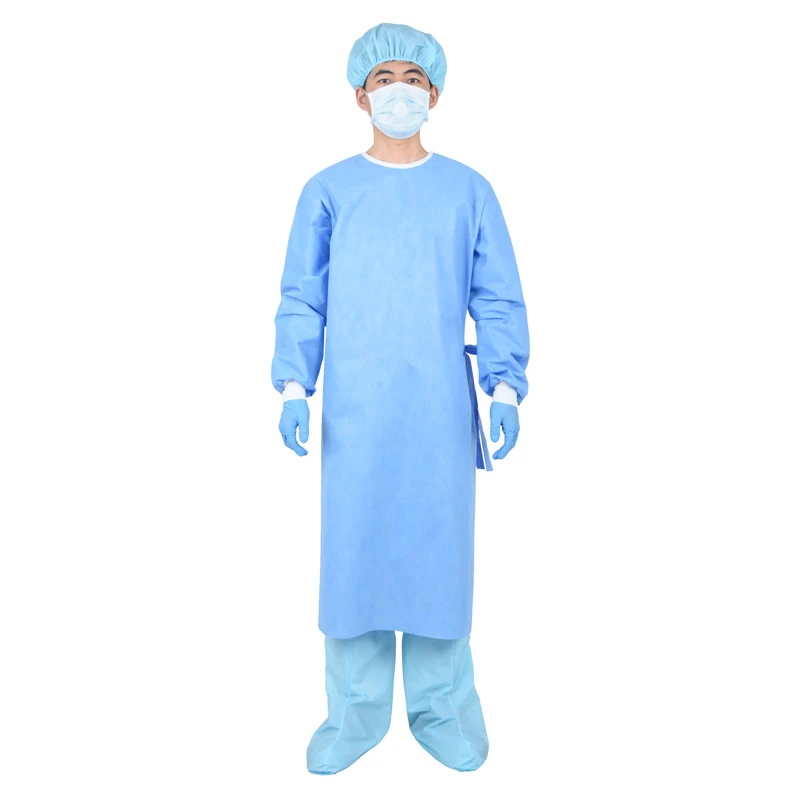
Some of our popular products include the Isolation Gown Blue, which is made from a breathable and lightweight material that provides excellent protection against infection. We also offer the Sterile Surgical Drape Sheets, which are made from a high-quality material that is designed to prevent the spread of bacteria and other microorganisms during surgery. And for those who need a more durable and protective gown, we offer the SMS Surgical Gown, which is made from a special SMS (spunbond-meltblown-spunbond) material that provides excellent barrier protection.
Conclusion
The choice of materials for hospital uniforms is a critical decision that can have a significant impact on the comfort, safety, and well-being of healthcare professionals and patients. By understanding the different types of materials available and their characteristics, you can make an informed decision when selecting uniforms for your healthcare facility.
As a hospital uniform supplier, we are committed to providing high-quality uniforms that are made from the best materials available. We offer a wide range of products to meet the needs of different healthcare facilities, and we are always happy to work with you to create custom uniforms that meet your specific requirements.
If you are interested in learning more about our hospital uniforms or would like to discuss your uniform needs, please don't hesitate to contact us. We look forward to working with you to provide the best possible uniforms for your healthcare facility.
References
- "Textiles for Healthcare: Properties and Performance." Woodhead Publishing, 2012.
- "Medical Textiles: Design, Development, and Applications." Elsevier, 2015.
- "Textile Science." Pearson, 2017.