




The question of the recommended age for starting to use an Aerosol Inhaler Spacer is a crucial one, especially for those involved in respiratory care. As a supplier of Aerosol Inhaler Spacer, I have witnessed firsthand the importance of this device in improving the delivery of medication for patients with respiratory conditions. In this blog post, I will delve into the factors that determine the appropriate age for using an Aerosol Inhaler Spacer, the benefits it offers at different stages of life, and how it compares to other respiratory care products such as Disposable Oxygen Mask and Disposable Nebulizer Mask.
Understanding Aerosol Inhaler Spacers
An Aerosol Inhaler Spacer is a device that attaches to a metered - dose inhaler (MDI). It acts as a holding chamber, allowing the medication from the inhaler to be held in the spacer until the patient can inhale it. This helps to improve the delivery of the medication to the lungs, reduces the amount of medication that is deposited in the mouth and throat, and makes it easier for patients to coordinate their inhalation with the release of the medication.
Age Considerations
Infants and Toddlers (0 - 3 years)
For infants and toddlers, the use of an Aerosol Inhaler Spacer is highly recommended. At this age, children often have difficulty coordinating their breathing with the act of pressing the inhaler. A spacer with a mask is the most suitable option. The mask can be placed over the child's nose and mouth, allowing them to inhale the medication passively during normal breathing. This is especially important for children with conditions such as asthma, bronchiolitis, or other respiratory illnesses. Studies have shown that using a spacer with a mask can significantly improve the delivery of medication to the lungs in this age group, leading to better symptom control and fewer side effects.

Preschoolers and School - aged Children (4 - 12 years)
As children grow older, they start to develop better coordination and breathing control. However, many still struggle to use an MDI without a spacer. Aerosol Inhaler Spacers continue to be beneficial for this age group. At this stage, children can be taught to use a spacer with a mouthpiece. They are usually able to understand the instructions on how to inhale deeply and slowly through the mouthpiece after pressing the inhaler. This helps to ensure that the medication reaches the lungs effectively. Additionally, using a spacer can help to reduce the need for frequent inhaler use, which can be a concern for parents and caregivers.
Adolescents and Adults (13 years and above)
Even in adolescents and adults, Aerosol Inhaler Spacers can be useful. Some adults may have difficulty using an MDI correctly, especially if they are experiencing an acute exacerbation of their respiratory condition. A spacer can simplify the process of inhaling the medication, making it more effective. Moreover, for patients who are using high - dose inhaled medications, a spacer can help to reduce the risk of systemic side effects by minimizing the amount of medication that is swallowed.
Benefits of Using Aerosol Inhaler Spacers at Different Ages
Improved Medication Delivery
Regardless of age, the primary benefit of using an Aerosol Inhaler Spacer is improved medication delivery. By allowing the medication to be held in the spacer until the patient can inhale it, the spacer ensures that a greater amount of the medication reaches the lungs. This leads to better symptom control and more effective treatment of respiratory conditions.
Reduced Side Effects
Using a spacer can also reduce the side effects associated with inhaled medications. When medication is deposited in the mouth and throat, it can cause local side effects such as thrush, hoarseness, and coughing. By reducing the amount of medication that is deposited in these areas, a spacer helps to minimize these side effects.
Easier to Use
For patients of all ages, a spacer makes it easier to use an inhaler. It eliminates the need for precise coordination between pressing the inhaler and inhaling, which can be difficult, especially during an episode of shortness of breath.
Comparison with Other Respiratory Care Products
Disposable Oxygen Mask
A Disposable Oxygen Mask is used to deliver oxygen to patients who have low oxygen levels in their blood. While it is an important device for oxygen therapy, it is not used for delivering inhaled medications. In contrast, an Aerosol Inhaler Spacer is specifically designed to improve the delivery of inhaled medications to the lungs.
Disposable Nebulizer Mask
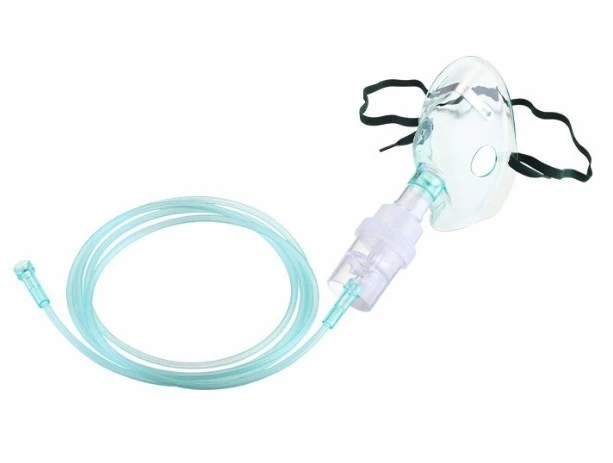
A Disposable Nebulizer Mask is used in conjunction with a nebulizer, which converts liquid medication into a fine mist that can be inhaled. Nebulizers are often used for patients who have difficulty using an inhaler, such as very young children or those with severe respiratory distress. However, nebulizers are generally more time - consuming to use compared to inhalers with spacers. Aerosol Inhaler Spacers are a more convenient option for many patients, especially those who need to use their inhaler on a regular basis.
Conclusion
In conclusion, the recommended age for starting to use an Aerosol Inhaler Spacer is from infancy. Whether it is a young child with difficulty coordinating their breathing or an adult who needs to improve the delivery of their inhaled medication, a spacer can be a valuable tool. As a supplier of Aerosol Inhaler Spacers, we are committed to providing high - quality products that meet the needs of patients of all ages. If you are interested in learning more about our Aerosol Inhaler Spacers or would like to discuss your purchasing requirements, please feel free to contact us. We are here to assist you in providing the best respiratory care solutions for your patients.
References
- Global Initiative for Asthma (GINA). Global Strategy for Asthma Management and Prevention. 2023.
- National Institute for Health and Care Excellence (NICE). Asthma: diagnosis, monitoring and chronic asthma management. 2019.
- American Academy of Pediatrics. Clinical Practice Guideline: The Diagnosis, Management, and Prevention of Bronchiolitis. 2020.