





As a supplier for clinical laboratories, I've had the privilege of working closely with both clinical and research laboratories. Through these experiences, I've gained a deep understanding of the unique characteristics and differences between the two. In this blog, I'll explore these disparities, highlighting their distinct purposes, operations, and requirements.
Purposes and Objectives
The primary purpose of a clinical laboratory is to provide diagnostic information for patient care. Clinical laboratories perform a wide range of tests on patient samples, such as blood, urine, and tissue, to detect diseases, monitor treatment effectiveness, and assess overall health. The results of these tests are used by healthcare providers to make informed decisions about patient diagnosis, treatment, and management.
For example, a clinical laboratory may perform a complete blood count (CBC) to evaluate a patient's red and white blood cell counts, hemoglobin levels, and platelet counts. This information can help diagnose conditions such as anemia, infection, or leukemia. Similarly, a urine test may be used to detect the presence of bacteria, protein, or glucose, which can indicate a urinary tract infection, kidney disease, or diabetes.
In contrast, research laboratories are focused on advancing scientific knowledge and understanding. They conduct experiments and studies to explore new theories, develop new technologies, and discover new treatments. Research laboratories may work in a variety of fields, including biology, chemistry, physics, and medicine.
For instance, a research laboratory may be studying the genetic basis of a particular disease to develop new diagnostic tests or targeted therapies. Another research laboratory may be working on developing new materials for use in medical devices or drug delivery systems. The findings of research laboratories are often published in scientific journals and presented at conferences to share knowledge and advance the field.
Sample Types and Sources
Clinical laboratories primarily work with patient samples, which are collected from individuals seeking medical care. These samples can include blood, urine, saliva, tissue biopsies, and other bodily fluids. The collection of patient samples is typically done by healthcare professionals, such as nurses or phlebotomists, in a clinical setting, such as a hospital, clinic, or doctor's office.
The samples are then transported to the clinical laboratory for testing. Clinical laboratories must follow strict protocols for sample collection, handling, and storage to ensure the accuracy and reliability of the test results. For example, blood samples must be collected in the correct type of tube, labeled properly, and stored at the appropriate temperature until they are tested.
Research laboratories, on the other hand, may use a variety of sample types and sources. In addition to patient samples, research laboratories may also use cell lines, animal models, and tissue cultures. Cell lines are cells that have been isolated from a particular tissue or organism and grown in a laboratory setting. Animal models are living animals that are used to study the effects of diseases or treatments. Tissue cultures are cells or tissues that are grown in a laboratory dish or flask.
The sources of these samples can vary widely. Patient samples may be obtained from hospitals, clinics, or research studies. Cell lines and tissue cultures may be purchased from commercial suppliers or obtained from other research laboratories. Animal models may be bred and maintained in a laboratory or purchased from a commercial supplier.
Testing Methods and Technologies
Clinical laboratories use a variety of testing methods and technologies to analyze patient samples. These methods can include biochemical tests, microbiological tests, immunological tests, and molecular tests. Biochemical tests measure the levels of various substances in the blood, urine, or other bodily fluids, such as glucose, cholesterol, and electrolytes. Microbiological tests are used to detect the presence of bacteria, viruses, fungi, and other microorganisms in the body. Immunological tests measure the levels of antibodies or antigens in the blood or other bodily fluids to detect infections or other immune-related disorders. Molecular tests analyze the DNA or RNA in the cells to detect genetic mutations or other genetic abnormalities.
Clinical laboratories must use standardized testing methods and technologies to ensure the accuracy and reliability of the test results. These methods and technologies are often regulated by government agencies, such as the Food and Drug Administration (FDA) in the United States. Clinical laboratories must also participate in proficiency testing programs to demonstrate their ability to perform accurate and reliable tests.
Research laboratories, on the other hand, may use a wider range of testing methods and technologies. In addition to the methods used in clinical laboratories, research laboratories may also use advanced techniques, such as genomics, proteomics, and metabolomics. Genomics is the study of the entire genome of an organism, including all of its genes and their functions. Proteomics is the study of the entire set of proteins in a cell, tissue, or organism. Metabolomics is the study of the entire set of small molecules, or metabolites, in a cell, tissue, or organism.
Research laboratories may also develop and use their own testing methods and technologies. These methods and technologies may be based on new scientific discoveries or innovative approaches. For example, a research laboratory may develop a new type of diagnostic test that is more sensitive or specific than existing tests.
Quality Control and Assurance
Quality control and assurance are critical in both clinical and research laboratories. In clinical laboratories, quality control and assurance are essential to ensure the accuracy and reliability of the test results. Clinical laboratories must follow strict protocols for sample collection, handling, storage, and testing to minimize the risk of errors or contamination. They must also participate in proficiency testing programs to demonstrate their ability to perform accurate and reliable tests.
In addition to these measures, clinical laboratories must also have a quality management system in place to ensure that all aspects of the laboratory operations are managed effectively. This system should include policies and procedures for personnel training, equipment maintenance, and data management. Clinical laboratories must also conduct regular internal audits and external inspections to ensure compliance with regulatory requirements and industry standards.
Research laboratories also have quality control and assurance measures in place, but the focus may be different. In research laboratories, the primary goal is to ensure the validity and reproducibility of the research findings. Research laboratories must follow strict protocols for experimental design, data collection, and analysis to minimize the risk of bias or error. They must also use appropriate statistical methods to analyze the data and draw conclusions.
In addition to these measures, research laboratories must also have a system in place for managing research data. This system should include policies and procedures for data storage, backup, and security. Research laboratories must also ensure that their research findings are reported accurately and transparently in scientific publications and presentations.
Equipment and Supplies
Clinical laboratories require a wide range of equipment and supplies to perform their tests. This equipment can include analyzers, microscopes, centrifuges, incubators, and other specialized instruments. Clinical laboratories also require a variety of supplies, such as test tubes, pipettes, reagents, and consumables.
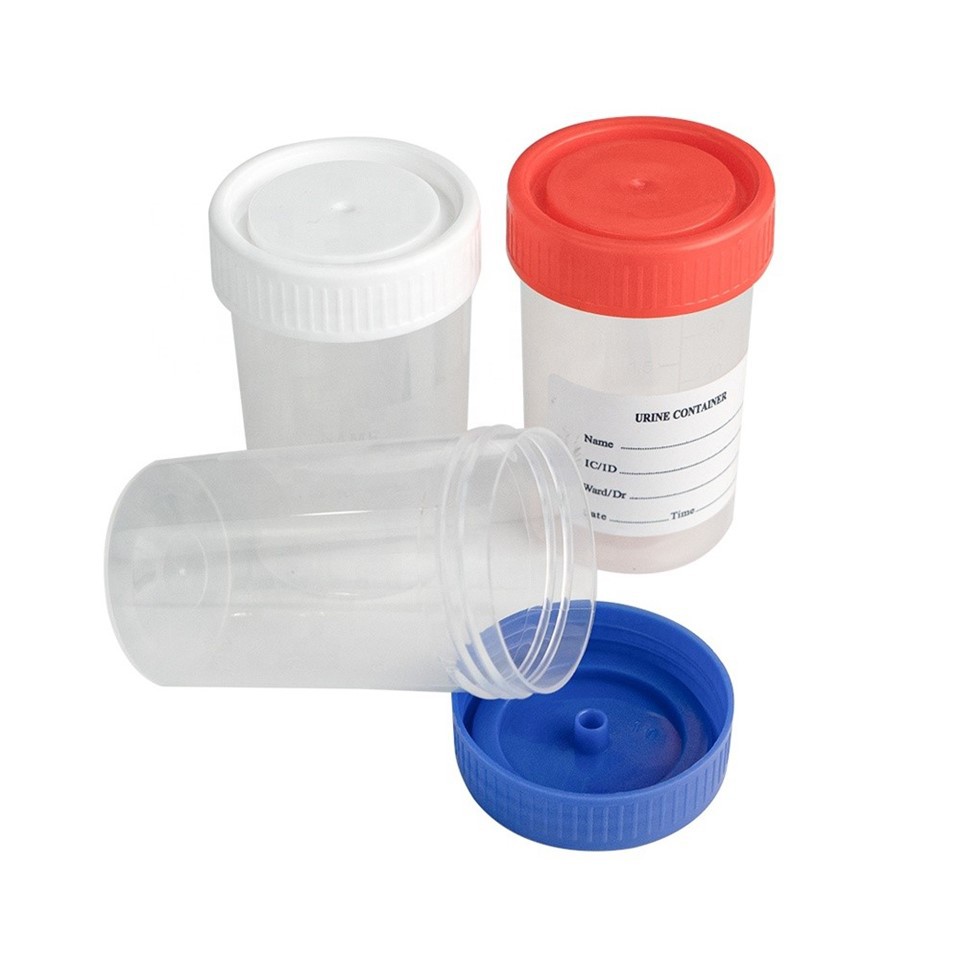
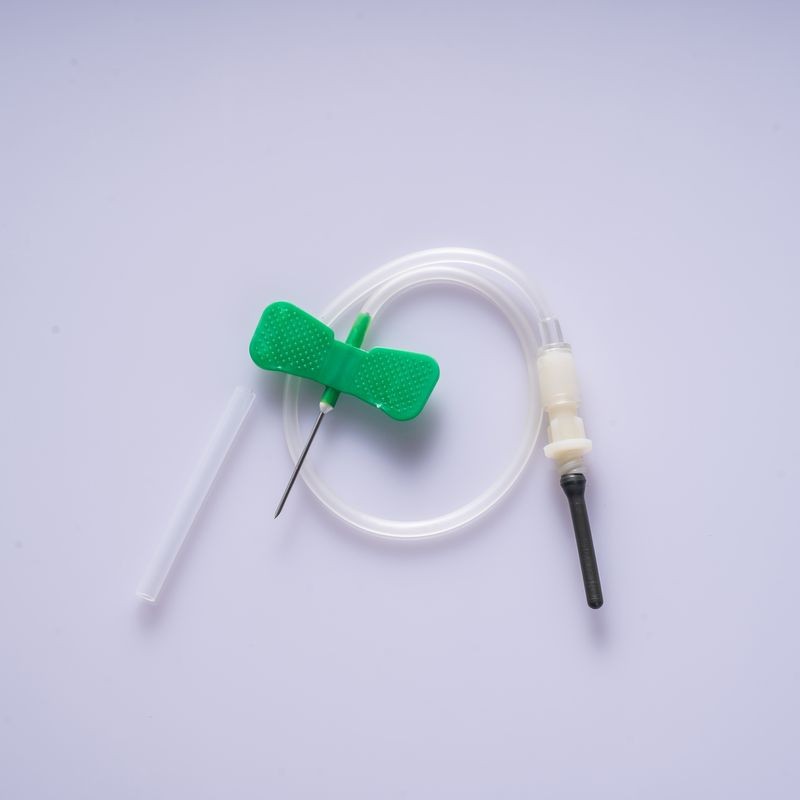
As a supplier for clinical laboratories, I offer a range of high-quality products to meet the needs of clinical laboratories. For example, our PP Urine Container is made of high-quality polypropylene material and is designed to provide a safe and convenient way to collect and store urine samples. Our Laboratory Pipette Tips are made of high-quality plastic material and are designed to provide accurate and precise pipetting. Our Vacuum Butterfly Needle is designed to provide a safe and easy way to collect blood samples.
Research laboratories also require a wide range of equipment and supplies, but the specific requirements may vary depending on the type of research being conducted. Research laboratories may require specialized equipment, such as gene sequencers, mass spectrometers, and electron microscopes. They may also require a variety of supplies, such as cell culture media, antibodies, and primers.
Regulations and Compliance
Clinical laboratories are subject to a variety of regulations and compliance requirements. These regulations are designed to ensure the safety and quality of patient care. In the United States, clinical laboratories are regulated by the Centers for Medicare and Medicaid Services (CMS) under the Clinical Laboratory Improvement Amendments (CLIA). CLIA sets standards for laboratory testing and requires clinical laboratories to be certified to perform certain types of tests.
Clinical laboratories must also comply with other regulations, such as the Health Insurance Portability and Accountability Act (HIPAA), which protects the privacy and security of patient health information. In addition, clinical laboratories must comply with state and local regulations, which may vary depending on the location of the laboratory.
Research laboratories are also subject to regulations and compliance requirements, but the specific requirements may vary depending on the type of research being conducted. Research laboratories may be subject to regulations related to the use of human subjects, animals, and hazardous materials. In the United States, research laboratories that use human subjects must comply with regulations set by the Office for Human Research Protections (OHRP) and the Institutional Review Board (IRB). Research laboratories that use animals must comply with regulations set by the Animal Welfare Act (AWA) and the Public Health Service (PHS) Policy on Humane Care and Use of Laboratory Animals.
Conclusion
In conclusion, clinical and research laboratories have distinct purposes, operations, and requirements. Clinical laboratories are focused on providing diagnostic information for patient care, while research laboratories are focused on advancing scientific knowledge and understanding. Clinical laboratories primarily work with patient samples, while research laboratories may use a variety of sample types and sources. Clinical laboratories use a variety of testing methods and technologies, while research laboratories may use a wider range of advanced techniques. Quality control and assurance are critical in both clinical and research laboratories, but the focus may be different. Clinical laboratories are subject to a variety of regulations and compliance requirements, while research laboratories may be subject to regulations related to the use of human subjects, animals, and hazardous materials.
As a supplier for clinical laboratories, I understand the unique needs and challenges of clinical laboratories. I am committed to providing high-quality products and services to help clinical laboratories perform their tests accurately and efficiently. If you are interested in learning more about our products or services, please contact us to discuss your specific needs and requirements. We look forward to working with you to meet your laboratory needs.
References
- Clinical Laboratory Improvement Amendments (CLIA) Regulations. Centers for Medicare & Medicaid Services.
- Health Insurance Portability and Accountability Act (HIPAA). U.S. Department of Health and Human Services.
- Office for Human Research Protections (OHRP). U.S. Department of Health and Human Services.
- Animal Welfare Act (AWA). U.S. Department of Agriculture.
- Public Health Service (PHS) Policy on Humane Care and Use of Laboratory Animals. National Institutes of Health.