




Accuracy in laboratory pipette tips is a crucial factor that significantly impacts the reliability and reproducibility of experimental results. As a leading supplier of Laboratory Pipette Tips, I understand the importance of providing high - quality products with exceptional accuracy. In this blog, we will delve into what the accuracy of laboratory pipette tips means, the factors that affect it, and how our products ensure the highest levels of precision.
What is the Accuracy of Laboratory Pipette Tips?
Accuracy in the context of laboratory pipette tips refers to how closely the volume of liquid dispensed by the pipette tip matches the intended or set volume. For example, if a researcher sets a pipette to dispense 100 μL of a solution, the accuracy of the pipette tip is determined by how close the actual volume dispensed is to this 100 μL target. A highly accurate pipette tip will dispense a volume that is very close to the set value, with minimal deviation.
Accuracy is typically expressed as a percentage error. A lower percentage error indicates higher accuracy. For instance, if a pipette tip is supposed to dispense 50 μL and it dispenses 49.5 μL, the error is (50 - 49.5) / 50 * 100% = 1%. This 1% error rate implies relatively high accuracy.
Factors Affecting the Accuracy of Laboratory Pipette Tips
1. Manufacturing Quality
The manufacturing process of pipette tips plays a vital role in determining their accuracy. At our company, we use state - of - the - art manufacturing techniques to ensure that each pipette tip is produced with the highest precision. Any irregularities in the shape, size, or internal surface of the pipette tip can lead to inaccurate liquid dispensing. For example, if the tip's opening is not uniformly sized, it can cause inconsistent flow rates and thus affect the dispensed volume.

2. Material Properties
The material from which the pipette tip is made also affects accuracy. We use high - quality, chemically resistant plastics that have low surface tension and minimal static electricity. Low surface tension ensures that the liquid flows smoothly through the tip without adhering to the walls, which could otherwise result in inaccurate volume measurements. Reducing static electricity is also crucial as it can cause liquid droplets to stick to the tip, leading to inconsistent dispensing.

3. Compatibility with Pipettes
Pipette tips must be compatible with the pipettes they are used with. Our Laboratory Pipette Tips are designed to fit a wide range of pipette models precisely. A poor fit can lead to air leaks, which will disrupt the pressure balance required for accurate liquid aspiration and dispensing. For example, if the tip does not seal properly onto the pipette, air can enter the system, causing the dispensed volume to be less than the set value.
4. Environmental Conditions
Environmental factors such as temperature, humidity, and air pressure can influence the accuracy of pipette tips. Changes in temperature can cause the liquid to expand or contract, affecting its volume. High humidity can also cause condensation on the tip, which can add unwanted liquid and lead to inaccurate measurements. At our company, we provide guidelines on how to use our pipette tips under different environmental conditions to minimize these effects.
Ensuring High Accuracy in Our Laboratory Pipette Tips
Rigorous Quality Control
We have a comprehensive quality control system in place to ensure that every pipette tip meets our strict accuracy standards. Each batch of pipette tips undergoes multiple tests, including volume accuracy testing using calibrated instruments. We measure the dispensed volume at different set values and calculate the percentage error to ensure that it falls within an acceptable range. Only when the batch passes all the tests is it released for sale.
Research and Development
Our team of scientists and engineers is constantly engaged in research and development to improve the accuracy of our pipette tips. We invest in new technologies and materials to enhance the performance of our products. For example, we are exploring the use of advanced polymers that can further reduce surface tension and improve liquid flow characteristics.
Customer Feedback
We value our customers' feedback and use it to continuously improve our products. If a customer reports an issue with the accuracy of our pipette tips, we conduct a thorough investigation to identify the root cause and take appropriate measures to prevent similar problems in the future.
Importance of Accuracy in Laboratory Work
Accurate pipetting is essential in various laboratory applications, including molecular biology, biochemistry, and clinical diagnostics. In molecular biology experiments, such as PCR (Polymerase Chain Reaction), even a small error in the volume of reagents can lead to inaccurate results, affecting the interpretation of genetic information. In clinical diagnostics, accurate pipetting is crucial for the correct measurement of biomarkers in patient samples, which can have a direct impact on the diagnosis and treatment of diseases.
Related Laboratory Products
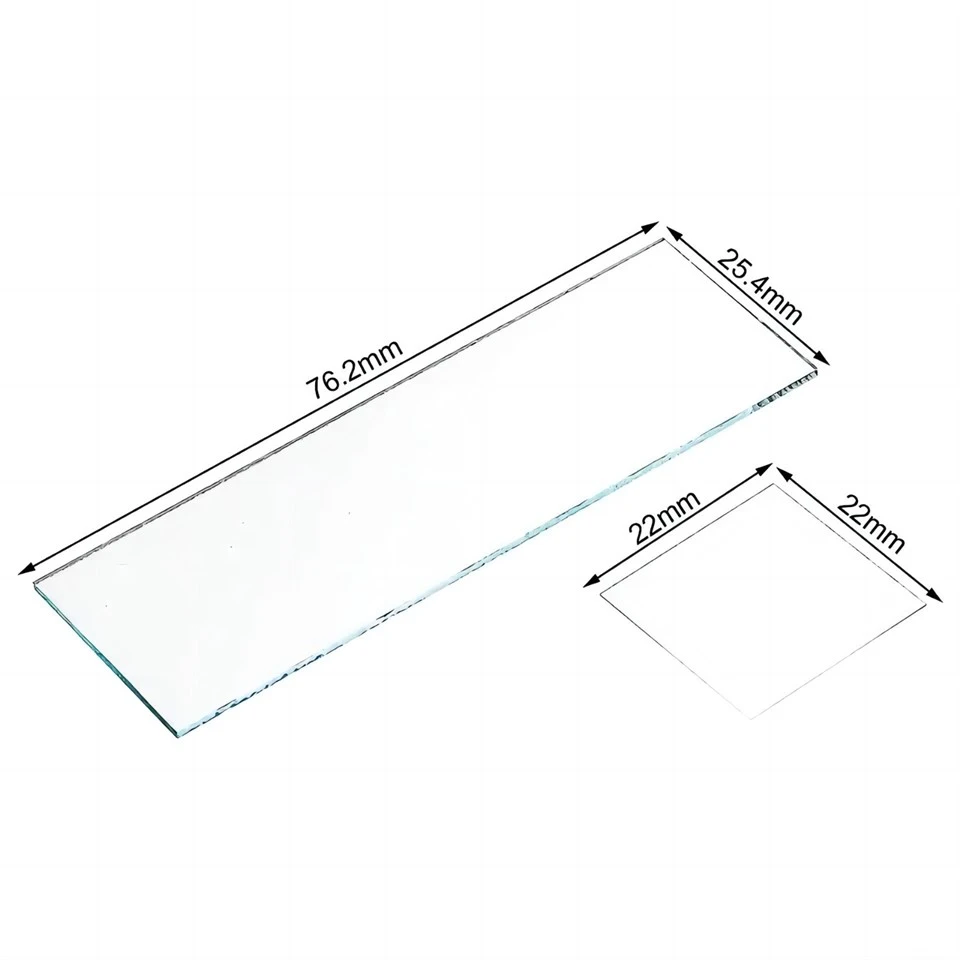
In addition to our high - accuracy Laboratory Pipette Tips, we also offer a range of other laboratory products. You can explore our Laboratory Glass Microscope Slide, which is essential for microscopic examination of biological samples. Our Disposable Centrifuge Tube is designed for safe and efficient separation of substances in centrifugation processes. And our Sterile Flocked Swab is widely used for sample collection in clinical and research settings.

Contact Us for Procurement
If you are in need of high - accuracy Laboratory Pipette Tips or any of our other laboratory products, we invite you to contact us for procurement and further discussion. Our team of experts is ready to assist you in finding the right products for your specific laboratory needs. We offer competitive prices, excellent customer service, and timely delivery. Don't hesitate to reach out and start a conversation with us.
References
- ASTM E969 - 16, Standard Practice for Calibration of Liquid - Dispensing Pipets.
- ISO 8655 - 2:2002, Piston - operated volumetric apparatus — Part 2: Pipettes.
- European Pharmacopoeia, 9th Edition, Chapter 2.2.20 “Pipettes”.