




Hey there! As a hypodermic supplier, I've seen my fair share of needles, and I know how crucial it is to have sharp ones. A dull hypodermic needle can cause a whole bunch of problems, not just for the patient but also for the healthcare provider. So, in this blog, I'm gonna share some signs that you might have a dull hypodermic needle.
1. Increased Resistance During Insertion
One of the first signs that a hypodermic needle might be dull is increased resistance when you're trying to insert it into the skin. A sharp needle should glide through the skin smoothly, almost like it's cutting through butter. But if you feel like you're having to push harder than usual, that's a red flag.
Think about it like trying to cut a piece of paper with a sharp pair of scissors versus a dull one. The sharp scissors will cut through the paper cleanly and easily, while the dull ones will make you struggle and might even tear the paper. The same principle applies to hypodermic needles. When a needle is dull, it can't penetrate the skin as effectively, so you end up using more force.
This increased resistance can be really uncomfortable for the patient. It can cause pain, bruising, and even tissue damage. And for the healthcare provider, it can make the injection process more difficult and time - consuming. So, if you notice that you're having to put in extra effort to insert the needle, it's probably time to swap it out.
2. Blunt Tip Appearance
Another obvious sign of a dull needle is a blunt tip. You can usually tell just by looking at it. A sharp needle has a fine, pointed tip that's designed to pierce the skin easily. But over time, with repeated use or improper storage, the tip can become blunt.
You might see that the tip is rounded or flattened instead of being pointy. Sometimes, it can even look frayed or damaged. A blunt tip is a clear indication that the needle is no longer in optimal condition. It won't be able to penetrate the skin as cleanly as a sharp needle, which can lead to all sorts of issues.
If you're using a Butterfly Scalp Vein Set, it's especially important to check the tip of the needle. These sets are often used for delicate procedures, like intravenous injections in children or patients with small veins. A dull needle in a Butterfly Scalp Vein Set can make it extremely difficult to access the vein and can cause unnecessary pain and trauma.
3. Difficulty in Aspiration
Aspiration is an important step in many injection procedures. It involves pulling back on the plunger of the syringe to check if the needle has entered a blood vessel. If blood appears in the syringe, it means the needle is in a vein, and you need to adjust its position before injecting the medication.
A sharp needle allows for easy aspiration. The negative pressure created by pulling back on the plunger can quickly draw blood into the syringe if the needle is in a vein. But a dull needle can make this process much more difficult.
The dull tip might not create a proper seal with the blood vessel, or it might not be able to penetrate the vessel wall effectively. As a result, you might have to pull back on the plunger multiple times or with more force to get a blood return. This can be frustrating for the healthcare provider and can also increase the risk of complications, such as hematoma formation.
4. Patient Complaints of Excessive Pain
Patients are a great source of information when it comes to needle sharpness. If a patient complains of excessive pain during an injection, it could be a sign that the needle is dull. While some pain is normal during an injection, an unusually high level of pain is a cause for concern.
Sharp needles cause less pain because they create a smaller wound in the skin. They can cut through the tissue with minimal disruption, so the nerve endings are less irritated. On the other hand, a dull needle has to tear through the skin and tissue, which can stimulate more nerve endings and cause more pain.
If you start getting multiple complaints from patients about pain during injections, it's a good idea to check the needles you're using. You might need to switch to a different brand or batch of needles to ensure a more comfortable experience for your patients.
5. Visible Bending or Deformation
Sometimes, a needle can become bent or deformed, which is a sure sign that it's no longer suitable for use. This can happen if the needle is accidentally bumped or if it's forced into a tough surface.
A bent needle won't be able to penetrate the skin straight, which can lead to inaccurate injections and increased pain for the patient. It can also increase the risk of the needle breaking off inside the body, which is a serious complication.
If you notice any visible bending or deformation in a needle, don't use it. It's better to be safe than sorry. Always inspect your needles before use, especially if they've been stored in a crowded or jumbled environment.
6. Inconsistent Medication Flow
A dull needle can also affect the flow of medication during an injection. A sharp needle allows for a smooth and consistent flow of the medication from the syringe into the body. But a dull needle might cause the medication to flow unevenly or in spurts.
This can be due to the needle's inability to create a proper channel in the tissue. The medication might get blocked or diverted, which can lead to inaccurate dosing and ineffective treatment. In some cases, it can even cause the medication to leak out around the needle, which is wasteful and can also cause skin irritation.
If you notice that the medication isn't flowing smoothly during an injection, it could be a sign of a dull needle. Try changing the needle and see if the problem persists.
Why It Matters
Using sharp hypodermic needles is not just about patient comfort. It's also about safety and effectiveness. Dull needles can increase the risk of infection, as they can cause more tissue damage and create a larger entry point for bacteria. They can also lead to inaccurate dosing, which can affect the outcome of the treatment.
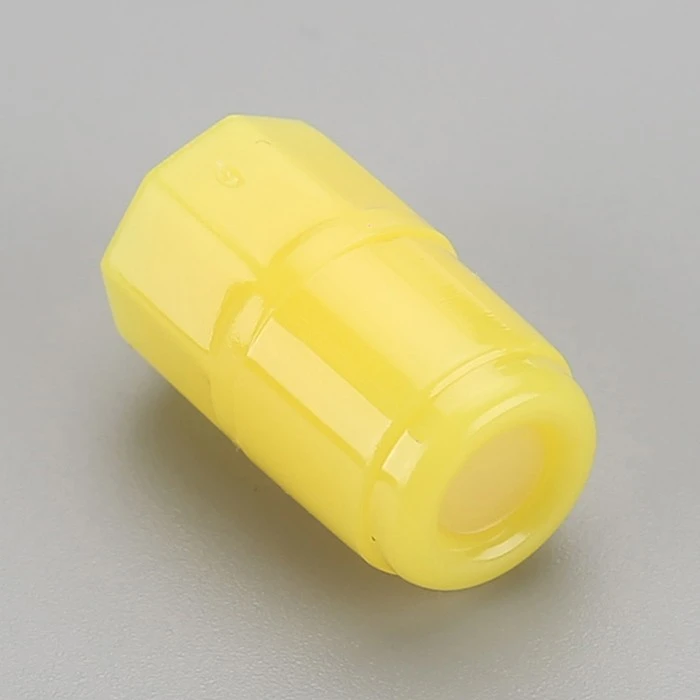
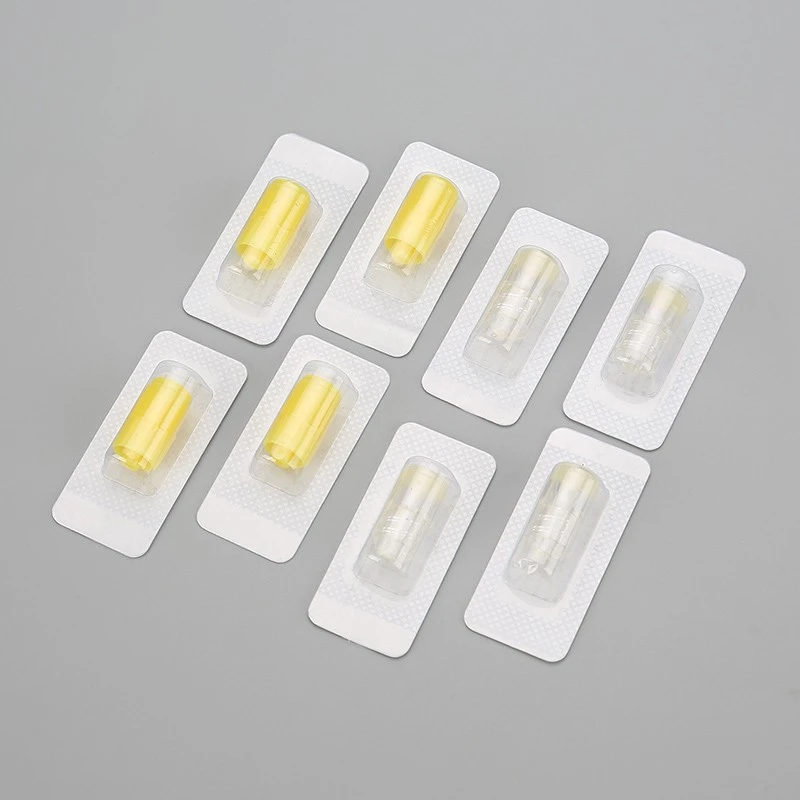
As a hypodermic supplier, I'm committed to providing high - quality needles that meet the highest standards of sharpness and safety. We also offer a range of related products, such as Luer Lock Heparin Cap and Blood Infusion Bag, to ensure that healthcare providers have everything they need for their procedures.
If you're in the market for hypodermic needles or any of our other products, I encourage you to reach out to us for a purchase negotiation. We're here to help you find the best solutions for your needs and to ensure that you're getting the highest quality products at competitive prices.
References
- Medical Device Technology Handbook, Second Edition
- Textbook of Clinical Nursing Skills and Techniques
So, that's it for today's blog. I hope you found this information useful. If you have any questions or need more information, feel free to drop a comment or get in touch. Take care!