


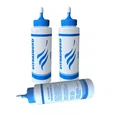


Aerosol inhaler spacers are essential devices in the field of respiratory care, especially for patients using inhalers to manage conditions such as asthma and chronic obstructive pulmonary disease (COPD). As a supplier of aerosol inhaler spacers, I understand the importance of these devices and the features that make them effective. In this blog, I will discuss the key features of a good aerosol inhaler spacer.
1. Volume and Design
The volume of an aerosol inhaler spacer plays a crucial role in its performance. A larger volume spacer allows for better aerosol particle suspension and reduces the velocity of the aerosol cloud. This is important because high - velocity aerosol particles can impact the back of the throat, leading to a reduced amount of the medication reaching the lungs. A spacer with a volume between 150 - 250 ml is generally considered suitable for most patients.
The design of the spacer also matters. A well - designed spacer should have a smooth interior surface. Rough surfaces can cause the aerosol particles to adhere to the walls of the spacer, reducing the amount of medication available for inhalation. Additionally, the shape of the spacer should be ergonomic, making it easy for patients to hold and use. Some spacers are designed with a straight tube, while others have a curved or corrugated shape. The curved design can be more comfortable for patients, especially when using a mask attachment.
2. Mask Compatibility
Many aerosol inhaler spacers come with a mask attachment, which is particularly useful for young children and elderly patients who may have difficulty coordinating their inhalation with the use of a mouthpiece. A good spacer should have a mask that fits well and creates a tight seal around the face. The mask should be made of a soft, flexible material that is comfortable for the patient to wear. It should also be available in different sizes to accommodate patients of different ages and facial structures.
When the mask fits properly, it ensures that the aerosol medication is delivered directly to the patient's airways, minimizing the amount of medication that is lost to the surrounding environment. This not only improves the effectiveness of the treatment but also reduces the risk of side effects caused by the medication coming into contact with the skin or eyes.
3. Valves and One - Way Flow
One of the most important features of an aerosol inhaler spacer is the presence of valves. Valves help to control the flow of air and aerosol within the spacer. A good spacer typically has an inhalation valve and an exhalation valve. The inhalation valve opens when the patient inhales, allowing the aerosol medication to be drawn into the lungs. The exhalation valve opens when the patient exhales, preventing the exhaled air and moisture from re - entering the spacer and diluting the aerosol.


The one - way flow created by these valves ensures that the patient inhales only fresh aerosol medication and that the spacer remains clean and dry. This is important because moisture can cause the aerosol particles to clump together, reducing their effectiveness. Additionally, a well - functioning valve system helps to improve the patient's ability to coordinate their inhalation with the delivery of the medication.
4. Ease of Cleaning and Maintenance
Regular cleaning of the aerosol inhaler spacer is essential to prevent the growth of bacteria and to ensure the proper functioning of the device. A good spacer should be easy to disassemble and clean. It should be made of materials that are resistant to damage from cleaning agents and can withstand repeated washings.
Some spacers can be washed with mild soap and water, while others may be dishwasher - safe. After cleaning, the spacer should dry quickly to prevent the growth of mold and mildew. Clear instructions on how to clean and maintain the spacer should be provided with the product to ensure that patients can use it safely and effectively.
5. Durability
Aerosol inhaler spacers need to be durable enough to withstand regular use. They are often carried around by patients, so they should be able to withstand some degree of rough handling. The materials used in the construction of the spacer should be strong and resistant to cracking or breaking.
Plastic is a commonly used material for spacers because it is lightweight, inexpensive, and easy to mold into different shapes. However, the quality of the plastic can vary. A good spacer should be made of high - quality plastic that is not prone to becoming brittle over time. Metal components, if any, should be rust - resistant and well - attached to the spacer.
6. Compatibility with Different Inhalers
Patients may use different types of inhalers, such as metered - dose inhalers (MDIs) or dry powder inhalers (DPIs). A good aerosol inhaler spacer should be compatible with a wide range of inhalers. This allows patients to use the spacer with their preferred inhaler without having to worry about compatibility issues.
The spacer should have a universal adapter or a design that can accommodate different inhaler sizes and shapes. This flexibility makes the spacer more versatile and useful for a larger number of patients.
7. Anti - Static Properties
Static electricity can cause aerosol particles to adhere to the walls of the spacer, reducing the amount of medication that is available for inhalation. A good aerosol inhaler spacer should have anti - static properties. Some spacers are treated with anti - static coatings or made of materials that naturally resist static buildup.
By reducing static electricity, the spacer ensures that more of the aerosol medication remains in suspension and is available for the patient to inhale. This improves the efficiency of the treatment and reduces the amount of medication that is wasted.
8. Transparency
A transparent aerosol inhaler spacer allows patients and caregivers to observe the flow of the aerosol medication inside the device. This can be helpful in ensuring that the spacer is working properly and that the patient is using it correctly. For example, if the patient can see the aerosol cloud moving through the spacer when they inhale, they can be more confident that they are receiving the full dose of the medication.
Transparency also makes it easier to detect any blockages or debris inside the spacer, which can be quickly removed to maintain the proper functioning of the device.
9. Additional Features
Some aerosol inhaler spacers come with additional features that can enhance their usability. For example, some spacers have a whistle or a visual indicator that alerts the patient when they are inhaling too quickly or too slowly. This can help patients to learn the correct inhalation technique and improve the effectiveness of the treatment.
Other spacers may have a built - in dose counter, which keeps track of the number of doses that have been used. This is useful for patients who need to keep track of their medication usage and ensure that they do not run out of medication unexpectedly.
In addition to aerosol inhaler spacers, we also offer a range of other respiratory care products, such as Disposable Suction Catheter, Anesthesia Mask for Surgery, and Standard Endotracheal Tubes. These products are designed to meet the diverse needs of patients and healthcare providers in the field of respiratory care.
If you are interested in purchasing our aerosol inhaler spacers or any of our other respiratory care products, please feel free to contact us for more information and to discuss your specific requirements. We are committed to providing high - quality products and excellent customer service.
References
- American Thoracic Society. (2019). Guidelines for the diagnosis and management of asthma. American Journal of Respiratory and Critical Care Medicine.
- Global Initiative for Chronic Obstructive Lung Disease (GOLD). (2022). Global Strategy for the Diagnosis, Management, and Prevention of COPD.
- National Institute for Health and Care Excellence (NICE). (2019). Asthma: diagnosis, monitoring and chronic asthma management.