





As a supplier of surgical supplies, I understand the critical importance of ensuring the safe disposal of used surgical items. Not only does proper disposal protect the environment and public health, but it also upholds the highest standards of medical safety and regulatory compliance. In this blog, I will share some key insights and best practices on how to dispose of used surgical supplies safely.
Understanding the Types of Used Surgical Supplies
Before diving into the disposal methods, it's essential to understand the different types of used surgical supplies. These can generally be classified into the following categories:
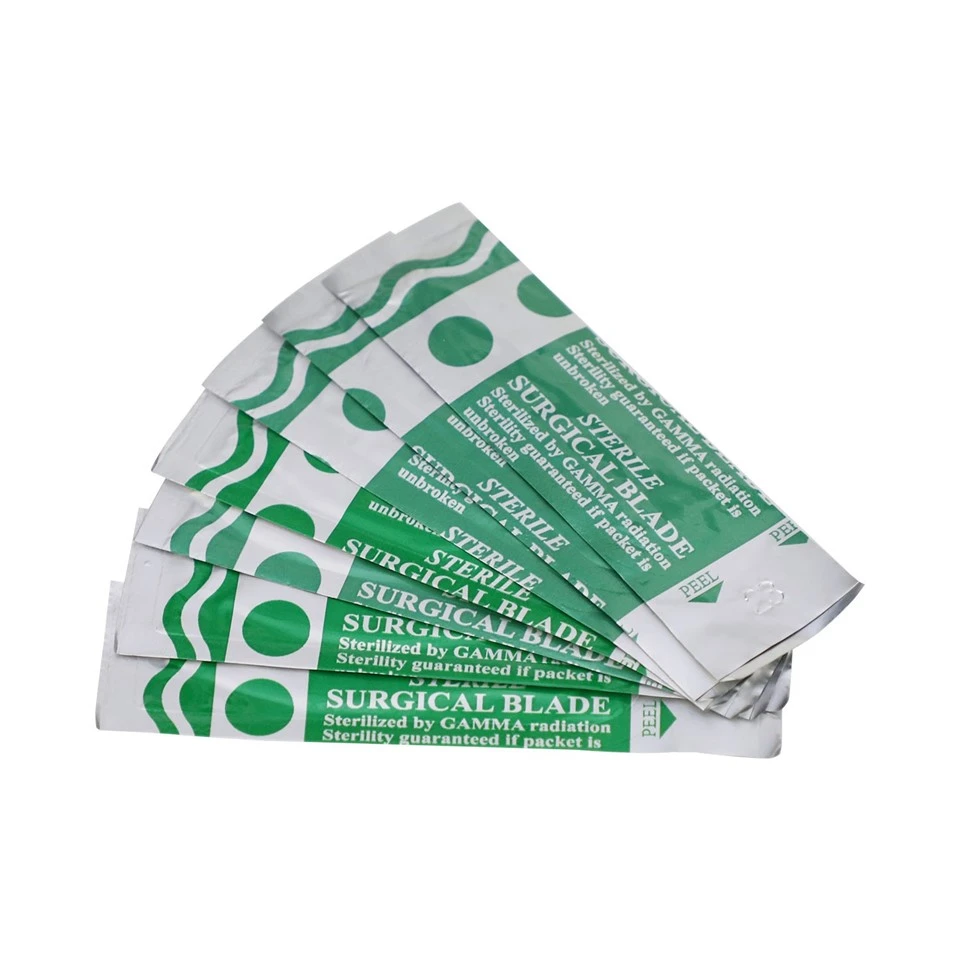
- Sharps: This includes items such as Carbon Steel Surgical Blade, needles, and scalpels. Sharps are extremely dangerous as they can cause puncture wounds and transmit blood - borne pathogens.
- Biological Waste: Items contaminated with blood, body fluids, tissues, or organs fall into this category. Examples are used gauze, sponges, and surgical drapes that have come into contact with biological materials.
- Chemical Waste: Some surgical supplies may contain chemicals such as disinfectants, anesthetics, or contrast agents. Improper disposal of these chemicals can have harmful effects on the environment and human health.
- General Waste: Non - contaminated items like packaging materials and some disposable plastic items that have not been in contact with biological or chemical hazards can be considered general waste.
Disposal Methods for Different Types of Used Surgical Supplies
Sharps
Sharps should always be disposed of in approved sharps containers. These containers are made of puncture - resistant materials and are designed to prevent accidental needle sticks. When using a sharps container:
- Place the sharp object directly into the container immediately after use. Do not recap needles or bend or break sharps as this increases the risk of injury.
- Once the container is about three - quarters full, seal it tightly. Overfilling can lead to the exposure of sharps, posing a danger to handlers.
- Label the container clearly with the biohazard symbol and relevant information such as the date of filling and the type of waste.
- Arrange for the collection and disposal of full sharps containers by a licensed medical waste disposal company. These companies have the expertise and equipment to handle and incinerate sharps safely.
Biological Waste
Biological waste requires special handling to prevent the spread of infections. Here are the steps for proper disposal:
- Place the contaminated items in leak - proof, biohazard - labeled bags. These bags are usually red or orange and are marked with the biohazard symbol.
- If the waste contains large amounts of liquid, it should be absorbed with absorbent materials before being placed in the bag to prevent leakage.
- For waste that is likely to cause a splash or aerosol, such as specimens in liquid, use a secondary container to provide an extra layer of protection.
- Autoclaving is a common method for treating biological waste. Autoclaving uses high - pressure steam to sterilize the waste, destroying pathogens. After autoclaving, the waste can be disposed of in a landfill or incinerated, depending on local regulations.
- Incineration is another effective way to dispose of biological waste. It completely destroys the waste and any pathogens present. However, incineration should be carried out in a properly equipped and regulated incinerator to minimize air pollution.
Chemical Waste
The disposal of chemical waste from surgical supplies must comply with strict environmental regulations. Here's how to handle it:
- Identify the chemicals present in the waste. Check the product labels or safety data sheets (SDS) for information on the chemical composition and proper disposal methods.
- Separate different types of chemical waste to prevent dangerous chemical reactions. For example, acids and bases should be stored and disposed of separately.
- If possible, neutralize or treat the chemical waste on - site according to the manufacturer's instructions. This can reduce the hazard level of the waste.
- For chemical waste that cannot be treated on - site, contact a licensed chemical waste disposal company. They will have the necessary equipment and expertise to handle and dispose of the chemicals safely.
General Waste
General waste from surgical supplies can be disposed of in the regular municipal waste stream. However, it's still important to ensure that the waste is properly separated and packaged.

- Remove any labels or markings that may indicate the contents were part of a surgical procedure to avoid unnecessary alarm.
- Compact the waste if possible to reduce the volume and make it easier to handle.
Regulatory Compliance
Compliance with local, state, and federal regulations is crucial when disposing of used surgical supplies. Different regions may have specific rules regarding the collection, transportation, treatment, and disposal of medical waste.
- Familiarize yourself with the relevant regulations in your area. This may involve obtaining permits for waste disposal, following specific labeling requirements, or using approved disposal methods.
- Keep detailed records of all waste disposal activities. This includes the type and quantity of waste, the date of disposal, and the name of the disposal company. These records can be used for auditing and regulatory compliance purposes.
Training and Education
Proper training and education of staff are essential for ensuring the safe disposal of used surgical supplies.
- Provide comprehensive training to all employees who handle surgical supplies. This training should cover the different types of waste, proper disposal methods, and safety procedures.
- Regularly update the training to reflect any changes in regulations or best practices.
- Encourage employees to ask questions and report any concerns regarding waste disposal.
The Role of the Surgical Supplies Supplier
As a surgical supplies supplier, I play an important role in promoting safe disposal practices.
- I can provide clear instructions on the proper use and disposal of our products. This includes information on the type of waste generated by each product and the recommended disposal methods.
- I can also offer resources such as educational materials and training programs to our customers to help them understand and implement safe disposal practices.
- By working closely with our customers, I can ensure that they have access to the necessary supplies for proper waste disposal, such as sharps containers and biohazard bags.
Conclusion
Safe disposal of used surgical supplies is a shared responsibility among healthcare providers, surgical supplies suppliers, and waste disposal companies. By understanding the different types of used surgical supplies, following proper disposal methods, complying with regulations, and providing adequate training, we can protect the environment, public health, and the safety of healthcare workers.
If you are in the market for high - quality surgical supplies such as Electrosurgical Grounding Pad and Disposable Surgical Suture, and want to learn more about our products and how we can support your safe disposal practices, I encourage you to reach out. We are always ready to engage in procurement discussions and provide you with the best solutions for your surgical supply needs.
References
- World Health Organization. (2014). Safe management of wastes from health - care activities.
- U.S. Environmental Protection Agency. (2023). Medical Waste Management.
- Occupational Safety and Health Administration. (2023). Bloodborne Pathogens Standard.