




Determining whether the mask on your Aerosol Inhaler Spacer fits properly is crucial for effective medication delivery and patient treatment outcomes. As a supplier of Aerosol Inhaler Spacers, I understand the significance of this issue and am here to share some insights on how to assess the proper fit of the mask.
The Importance of a Properly Fitting Mask
A well - fitting mask on an Aerosol Inhaler Spacer ensures that the medication is delivered directly to the lungs. When the mask fits correctly, it creates a seal around the face, preventing the medication from escaping into the air. This way, the patient can inhale the full dose of the medication, which is essential for treating respiratory conditions such as asthma, chronic obstructive pulmonary disease (COPD), and other breathing disorders.
If the mask does not fit properly, a significant amount of the medication may be lost, reducing its effectiveness. This can lead to poor symptom control, more frequent exacerbations of the respiratory condition, and potentially higher healthcare costs due to increased hospitalizations and additional treatments.
Visual Inspection
The first step in determining if the mask fits properly is a visual inspection. The mask should cover the nose and mouth completely. It should sit snugly against the face without leaving any gaps around the edges. Look for any signs of the mask being too large or too small.
If the mask is too large, it may sag or not stay in place on the face. There will be visible gaps between the mask and the skin, allowing the medication to leak out. On the other hand, if the mask is too small, it may not cover the nose and mouth adequately, also resulting in ineffective medication delivery.
Comfort and Seal
Comfort is an important factor in ensuring that the patient will use the Aerosol Inhaler Spacer correctly. A properly fitting mask should be comfortable to wear. The patient should not feel excessive pressure on the face, especially around the nose and cheeks.
To check the seal, have the patient take a deep breath while wearing the mask. You can place your hand around the edges of the mask to feel for any air leakage. If you feel air escaping, the mask is not creating a proper seal. You may need to adjust the straps or try a different size of the mask.
Patient's Feedback
The patient's feedback is invaluable in determining the fit of the mask. Ask the patient if they feel that the mask is comfortable and if they can breathe easily through it. Some patients may experience skin irritation or discomfort if the mask is too tight or made of an unsuitable material.
If the patient reports any problems, such as difficulty breathing, pain, or itching, it is important to address these issues. You may need to try a different type of mask, such as a Disposable Oxygen Mask, which may be more comfortable for some patients.
Age and Facial Features
Age and facial features play a significant role in the fit of the mask. Children have smaller faces than adults, so they require smaller masks. There are specifically designed pediatric masks for Aerosol Inhaler Spacers that are sized appropriately for different age groups.
Facial features, such as the shape of the nose and cheeks, can also affect the fit. Some patients may have a more prominent nose or higher cheekbones, which may require a mask with a different shape. In such cases, it may be necessary to try different masks to find the one that fits best.
Compatibility with the Aerosol Inhaler Spacer
The mask must be compatible with the Aerosol Inhaler Spacer. It should attach securely to the spacer without any looseness or wobbling. Check the connection between the mask and the spacer to ensure that it is airtight. If the connection is not secure, the medication may leak out, reducing its effectiveness.
Regular Checks
The fit of the mask may change over time. For example, a child's face may grow, or a patient may gain or lose weight, which can affect the fit of the mask. Therefore, it is important to perform regular checks to ensure that the mask still fits properly.
Impact on Treatment Efficacy
A properly fitting mask directly impacts the efficacy of the treatment. Studies have shown that when patients use a well - fitting mask on an Aerosol Inhaler Spacer, they are more likely to achieve better control of their respiratory symptoms. This leads to fewer exacerbations, improved quality of life, and reduced healthcare utilization.
Additional Accessories
In some cases, additional accessories may be needed to improve the fit of the mask. For example, a Medical Yankauer Suction Tube can be used to clear any secretions from the mouth and nose before using the Aerosol Inhaler Spacer, ensuring a better seal.

Training and Education
Proper training and education for patients and caregivers are essential. They should be taught how to check the fit of the mask, how to use the Aerosol Inhaler Spacer correctly, and the importance of a proper fit. This can improve patient compliance and treatment outcomes.
Conclusion
Ensuring that the mask on your Aerosol Inhaler Spacer fits properly is a multi - faceted process. It involves visual inspection, checking for comfort and seal, considering the patient's feedback, taking into account age and facial features, and ensuring compatibility with the spacer. Regular checks are necessary to maintain the proper fit over time.
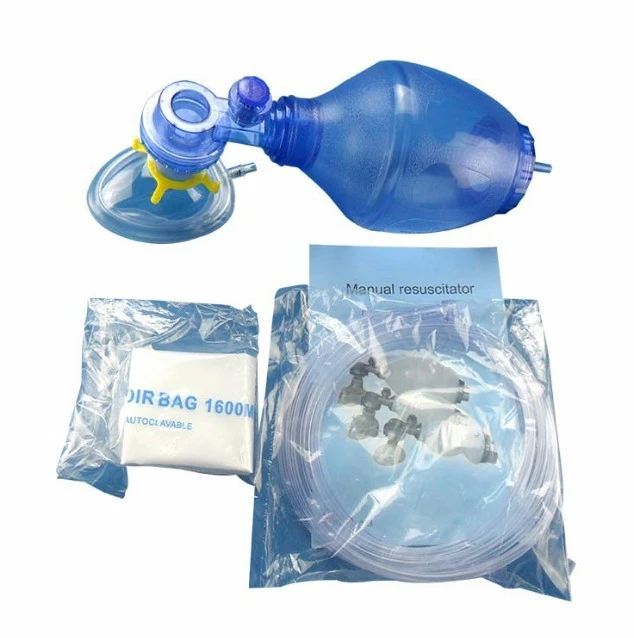
As a supplier of Aerosol Inhaler Spacers, we are committed to providing high - quality products and helping our customers achieve the best treatment results. If you are interested in learning more about our products or have any questions regarding the fit of the masks on our Aerosol Inhaler Spacers, we encourage you to contact us for further discussion and potential procurement. We also offer related products such as Ambu Bag Manual Resuscitator that can be used in respiratory care. Let's work together to improve the respiratory health of patients.
References
- American Thoracic Society. Guidelines for the use of aerosolized medications.
- Global Initiative for Chronic Obstructive Lung Disease (GOLD). Global Strategy for the Diagnosis, Management, and Prevention of COPD.
- National Heart, Lung, and Blood Institute. Expert Panel Report 3: Guidelines for the Diagnosis and Management of Asthma.