




As a supplier of Aerosol Inhaler Spacers, ensuring the hygiene of these devices is of utmost importance. Not only does it guarantee the effectiveness of the treatment but also the safety and well - being of the users. In this blog, I will share some practical ways to ensure the hygiene of Aerosol Inhaler Spacers.
Why Hygiene of Aerosol Inhaler Spacers Matters
Aerosol Inhaler Spacers are crucial tools for people with respiratory conditions such as asthma and chronic obstructive pulmonary disease (COPD). They help in delivering the right amount of medication to the lungs. However, if the spacer is not kept clean, it can become a breeding ground for bacteria, fungi, and other pathogens. These contaminants can not only reduce the effectiveness of the medication but also cause infections in the respiratory tract. For example, a dirty spacer may introduce harmful microorganisms into the lungs, leading to pneumonia or other respiratory infections.
Regular Cleaning Procedures
The first step in maintaining the hygiene of an Aerosol Inhaler Spacer is regular cleaning. It is recommended to clean the spacer at least once a week, or more frequently if it is used multiple times a day.
Disassembly
Before cleaning, carefully disassemble the spacer according to the manufacturer's instructions. Most spacers consist of a body, a mouthpiece, and a valve. Make sure to handle all parts gently to avoid damage.
Washing
Fill a clean sink or basin with warm, soapy water. Use a mild, non - abrasive detergent. Immerse all the disassembled parts of the spacer in the soapy water and gently scrub them with a soft brush. Pay special attention to the areas where medication residue may accumulate, such as the inside of the mouthpiece and the valve. For example, the valve is a critical part as it controls the flow of the medication, and any blockage or contamination can affect the delivery of the drug.
Rinsing
After scrubbing, thoroughly rinse all the parts under running water to remove all traces of soap. Residual soap can be harmful if inhaled, so it is essential to ensure a complete rinse.
Drying
Shake off the excess water from the parts and then place them on a clean, dry towel to air - dry. Avoid using a hair dryer or other heat sources as high temperatures can damage the plastic parts of the spacer. It is also important to let the spacer dry completely before reassembling it to prevent the growth of mold and mildew.
Deep Cleaning
In addition to regular cleaning, deep cleaning should be performed periodically. This can be done once a month or as recommended by the manufacturer.

Vinegar Solution
One effective way to deep - clean the spacer is to use a vinegar solution. Mix equal parts of white vinegar and water in a container. Soak the disassembled parts of the spacer in the vinegar solution for about 30 minutes. Vinegar has antibacterial and antifungal properties, which can help to eliminate stubborn stains and kill any remaining pathogens.
Hydrogen Peroxide
Another option for deep cleaning is to use a 3% hydrogen peroxide solution. Soak the parts in the hydrogen peroxide for 10 - 15 minutes. Hydrogen peroxide is a powerful disinfectant that can break down organic matter and kill a wide range of microorganisms. After soaking, rinse the parts thoroughly with water and let them air - dry.
Storage
Proper storage is also an important aspect of maintaining the hygiene of the Aerosol Inhaler Spacer.
Clean and Dry Environment
Store the spacer in a clean, dry place when not in use. Avoid storing it in a damp or dirty area, such as a bathroom cabinet where moisture can promote the growth of mold. A cool, dry drawer or a dedicated storage case is a good option.
Covering
When the spacer is not in use, cover the mouthpiece with a clean cap. This can prevent dust, dirt, and other contaminants from entering the spacer.
Inspection
Regularly inspect the Aerosol Inhaler Spacer for signs of wear and tear, damage, or contamination.
Visual Inspection
Look for cracks, holes, or any signs of discoloration on the spacer. If you notice any damage, replace the spacer immediately as a damaged spacer may not function properly and can pose a risk to the user's health.
Functionality Check
Periodically check the functionality of the spacer, especially the valve. Make sure the valve opens and closes smoothly and that there is no blockage. If the valve is not working correctly, it may need to be replaced.
Related Respiratory Products for Hygiene
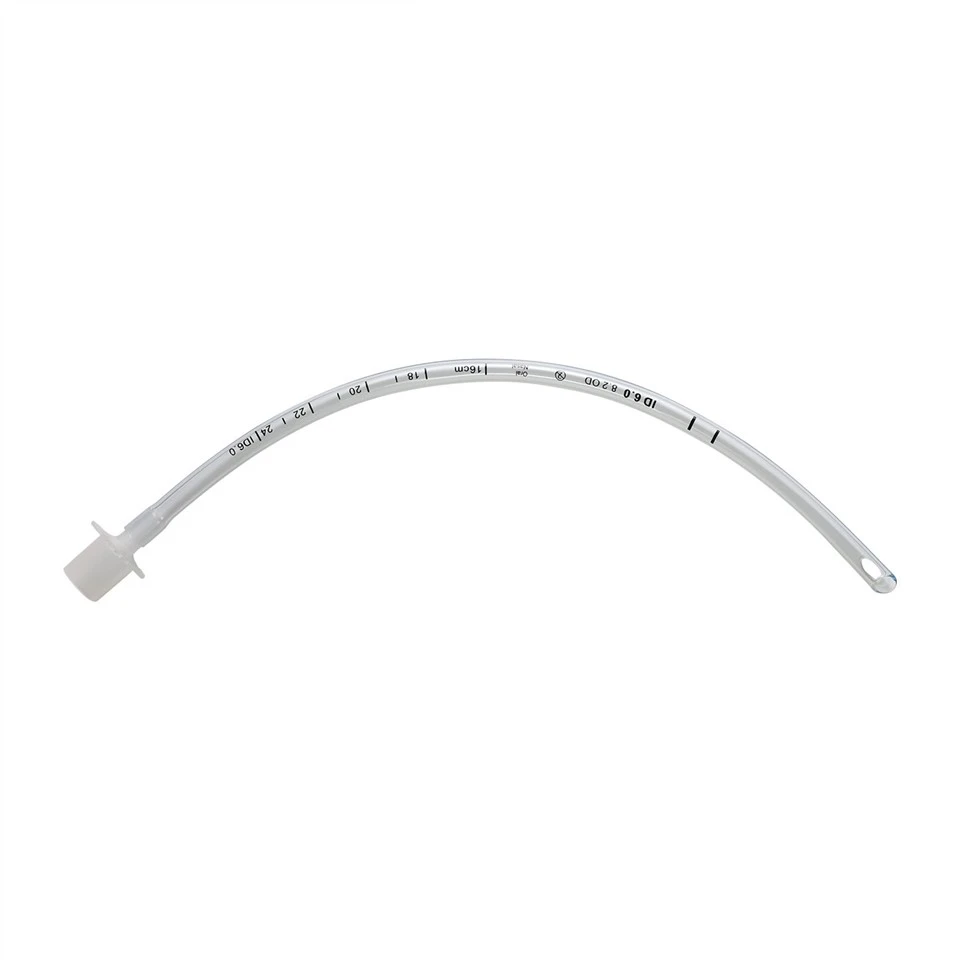
In addition to Aerosol Inhaler Spacers, there are other respiratory products that are important for maintaining respiratory health and hygiene. For example, Disposable Oxygen Mask is a crucial device for patients who need oxygen therapy. It provides a clean and effective way to deliver oxygen. Standard Endotracheal Tubes are used in more critical respiratory situations, such as in the intensive care unit. They need to be properly maintained and replaced regularly to prevent infections. Ambu Bag Manual Resuscitator is another important tool for emergency respiratory support, and its hygiene is also of great significance.
Conclusion
Ensuring the hygiene of Aerosol Inhaler Spacers is a multi - step process that involves regular cleaning, deep cleaning, proper storage, and inspection. By following these steps, users can ensure that their spacers are clean, safe, and effective. As a supplier of Aerosol Inhaler Spacers, I am committed to providing high - quality products and sharing knowledge about their proper use and maintenance. If you are interested in purchasing Aerosol Inhaler Spacers or other respiratory products, please feel free to contact us for more information and to start a procurement discussion.
References
- American Lung Association. "Managing Asthma: Inhaler Use and Maintenance."
- World Health Organization. "Respiratory Hygiene and Infection Prevention."
- Manufacturer's instructions for Aerosol Inhaler Spacers.