


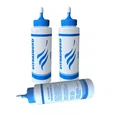


Hey there! As a supplier of PP urine containers, I often get asked a super common question: Can PP urine containers be sterilized? Well, let's dive right into this topic and break it down.
First off, what's PP? PP stands for polypropylene. It's a type of plastic that's widely used in all sorts of medical and laboratory equipment, including our urine containers. One of the reasons it's so popular is that it's lightweight, durable, and relatively cheap to produce. But when it comes to sterilization, things get a bit more complicated.
There are a few different methods of sterilization out there, and each has its own pros and cons when it comes to PP urine containers.
Heat Sterilization
One of the most common ways to sterilize stuff is through heat. There are two main types of heat sterilization: dry heat and moist heat.
Dry Heat Sterilization
Dry heat sterilization involves exposing the item to high temperatures in an oven. Usually, it requires temperatures around 160 - 180°C for a few hours. The heat basically kills off any microorganisms by denaturing their proteins and destroying their cell membranes.
The good thing about dry heat for PP urine containers is that it doesn't involve any moisture. This can be great because moisture can sometimes cause issues like warping or corrosion in some materials. However, the problem with using dry heat on PP is that polypropylene has a relatively low melting point. Most PP starts to soften around 160°C, so if you try to use dry heat sterilization at the typical temperatures required, you'll end up with a deformed urine container. Not exactly what you want!


Moist Heat Sterilization
Moist heat sterilization, on the other hand, uses steam. Autoclaving is the most well - known form of moist heat sterilization. In an autoclave, items are placed in a chamber where steam is generated at high pressure. Temperatures can reach up to 121 - 134°C for a specific period of time, usually 15 - 30 minutes.
The high pressure and steam in an autoclave are very effective at killing bacteria, viruses, and other pathogens. But again, PP has its limitations. While the temperatures in an autoclave are lower than those in dry heat sterilization, the combination of heat and moisture can still cause PP to warp. Over time, repeated autoclaving can also weaken the structure of the PP urine container, making it more prone to cracking or breaking.
Chemical Sterilization
Another option is chemical sterilization. There are several chemicals that can be used for this purpose, such as ethylene oxide, hydrogen peroxide, and peracetic acid.
Ethylene Oxide Sterilization
Ethylene oxide is a gas that's very effective at sterilizing medical devices. It works by reacting with the proteins and nucleic acids of microorganisms, essentially inactivating them. The great thing about ethylene oxide is that it can penetrate even hard - to - reach areas, and it can be used at relatively low temperatures.
However, ethylene oxide is also a known carcinogen. It's highly flammable and explosive, which means special safety precautions need to be taken when using it. After ethylene oxide sterilization, the items need to be aerated for a long time to remove any residual gas. This can be a time - consuming and costly process. Also, some studies have shown that ethylene oxide can cause changes in the properties of PP over time, such as reducing its mechanical strength.
Hydrogen Peroxide and Peracetic Acid
Hydrogen peroxide and peracetic acid are liquid chemicals that can be used for sterilization. They work by releasing oxygen radicals, which can damage the cell walls and membranes of microorganisms. These chemicals are less toxic than ethylene oxide and can be used at lower temperatures.
The problem with using these chemicals on PP urine containers is that they can cause discoloration and degradation of the plastic. Over time, the container may become brittle and more likely to break.
Radiation Sterilization
Radiation sterilization uses either gamma rays or electron beams.
Gamma Ray Sterilization
Gamma rays are high - energy electromagnetic radiation. They can penetrate deep into materials and kill microorganisms by damaging their DNA. Gamma ray sterilization is very effective and can be used on a large scale.
The downside is that gamma rays can cause changes in the molecular structure of PP. They can lead to cross - linking or chain scission of the polymer chains, which can affect the physical and chemical properties of the urine container. For example, it can make the container more brittle or change its transparency.
Electron Beam Sterilization
Electron beam sterilization works in a similar way to gamma ray sterilization, but it uses high - energy electrons instead. Electron beams have a shorter penetration depth than gamma rays, so they're more suitable for thinner materials.
Like gamma rays, electron beams can also cause damage to the PP structure. They can generate heat during the sterilization process, which can lead to melting or warping if not controlled properly.
So, can PP urine containers be sterilized? The answer is yes, but with some limitations. Depending on your specific needs, you may be able to use one of the sterilization methods, but you need to be aware of the potential issues.
If you're just looking for a single - use sterilization, some of these methods might work. But if you need to sterilize the containers multiple times, you'll probably run into problems with deformation, degradation, or changes in the properties of the PP.
At our company, we understand these challenges, and we're constantly working on developing PP urine containers that can withstand sterilization better. We're also exploring new materials and manufacturing techniques to improve the quality and durability of our products.
Now, if you're in the market for high - quality PP urine containers, along with other great laboratory products like Sterile Flocked Swab, Blood Collection Pen, and Laboratory Glass Microscope Slide, we'd love to hear from you. Whether you're a hospital, a research lab, or a medical supply distributor, we can provide you with the products you need at competitive prices.
If you have any questions about our PP urine containers or any of our other products, or if you're interested in placing an order, don't hesitate to reach out. We're here to help you find the best solutions for your laboratory needs.
References
- "Sterilization and Disinfection of Medical Devices" - A textbook on medical device sterilization techniques.
- "Polymer Science and Engineering" - A comprehensive book on polymers, including polypropylene and its properties.
- Various research papers on the effects of different sterilization methods on plastic materials.