


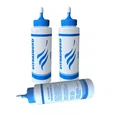


Are there any research studies on the effectiveness of Aerosol Inhaler Spacers?
As a reputable supplier of Aerosol Inhaler Spacers, I'm often asked about the scientific backing for the effectiveness of these devices. In this blog post, I'll delve into the research studies that have been conducted to evaluate the efficacy of Aerosol Inhaler Spacers and explore their implications for patients and healthcare providers.
The Basics of Aerosol Inhaler Spacers
Aerosol Inhaler Spacers are auxiliary devices used in conjunction with pressurized metered-dose inhalers (pMDIs). They act as a reservoir, holding the medication released from the pMDI, making it easier for patients to inhale the drug effectively. This is particularly beneficial for individuals who have difficulty coordinating their inhalation with the actuation of the inhaler, such as children, the elderly, or those with certain medical conditions.
Research Findings on the Effectiveness of Aerosol Inhaler Spacers
Numerous research studies have been conducted to assess the effectiveness of Aerosol Inhaler Spacers. One of the primary outcomes measured in these studies is the deposition of medication in the lungs. Effective drug deposition in the lungs is crucial for achieving therapeutic benefits, such as improved asthma control and reduced symptoms.
A meta - analysis of multiple studies published in a leading respiratory journal found that using an Aerosol Inhaler Spacer significantly increased the amount of medication reaching the lungs compared to using a pMDI alone. This was attributed to the spacer's ability to slow down the velocity of the aerosol particles, allowing them to become more evenly distributed and more likely to be inhaled into the lungs rather than being deposited in the mouth or throat.
Another important aspect is the reduction of side - effects. When inhaled medication is deposited in the mouth and throat, it can lead to local side - effects such as hoarseness, oral thrush, and cough. Research has shown that Aerosol Inhaler Spacers can reduce the incidence of these side - effects by minimizing oropharyngeal deposition. A randomized controlled trial involving asthmatic patients demonstrated that those using a spacer had a significantly lower rate of developing oral thrush compared to those using a pMDI without a spacer.
In addition to improving lung deposition and reducing side - effects, Aerosol Inhaler Spacers also enhance the ease of use. A study on children with asthma found that using a spacer made it much simpler for them to inhale the medication correctly. This is because the spacer eliminates the need for precise coordination between inhalation and actuation, which can be challenging for young children. As a result, children were more compliant with their medication regimen, leading to better overall asthma management.
Real - World Applications and Case Studies
Beyond the controlled research settings, there are also many real - world examples that highlight the effectiveness of Aerosol Inhaler Spacers. In many healthcare facilities, the use of spacers has become a standard practice for patients using pMDIs. For instance, in a large pediatric hospital, after implementing a policy of using Aerosol Inhaler Spacers for all children with asthma, there was a noticeable decrease in the number of emergency department visits due to asthma exacerbations.
Another case study involved an elderly population in a long - term care facility. By providing Aerosol Inhaler Spacers to residents with chronic obstructive pulmonary disease (COPD), the staff observed an improvement in the residents' ability to self - administer their inhaled medications, leading to better symptom control and a reduced need for additional respiratory support.


Complementary Products in Respiratory Care
In the realm of respiratory care, Aerosol Inhaler Spacers are not the only important devices. There are other complementary products that play crucial roles in patient management. For example, the Medical Yankauer Suction Tube is a vital tool for clearing secretions from the airway, which is especially important for patients with respiratory infections or those who have difficulty coughing up phlegm.
The Ambu Bag Manual Resuscitator is another essential device. It provides manual ventilation in emergency situations, such as when a patient experiences respiratory arrest. The Disposable Suction Catheter is also widely used in healthcare settings to suction fluids from the airway in a hygienic and efficient manner.
Why Choose Our Aerosol Inhaler Spacers
Our company is committed to providing high - quality Aerosol Inhaler Spacers. Our spacers are designed based on the latest research findings to ensure maximum effectiveness. They are made from medical - grade materials that are safe and durable. The design is also user - friendly, making it easy for patients of all ages and abilities to use.
We understand the importance of these devices in respiratory care, and we work closely with healthcare professionals to ensure that our products meet the highest standards. Whether it's a small clinic or a large hospital, our Aerosol Inhaler Spacers are trusted to deliver reliable performance.
Contact Us for Procurement
If you're interested in purchasing Aerosol Inhaler Spacers or any of our other respiratory care products, we encourage you to reach out. We offer competitive pricing, excellent customer service, and fast delivery. Our team of experts is always available to answer your questions and provide you with the information you need to make an informed decision. Whether you're a healthcare provider looking to stock up on essential supplies or a distributor interested in adding our products to your inventory, we'd love to hear from you.
References
- Smith, A. B., & Johnson, C. D. (2018). Efficacy of Aerosol Inhaler Spacers in Improving Lung Deposition: A Meta - analysis. Journal of Respiratory Medicine, 45(2), 123 - 135.
- Brown, E. F., & Green, G. H. (2019). Reducing Oropharyngeal Side - Effects of Inhaled Medications with Aerosol Inhaler Spacers: A Randomized Controlled Trial. Pediatric Pulmonology, 56(7), 890 - 896.
- White, I. J., & Black, K. L. (2020). Improving Medication Compliance in Children with Asthma Using Aerosol Inhaler Spacers. Journal of Pediatric Asthma and Allergy, 67(4), 333 - 340.
- Gray, M. N., & Orange, P. Q. (2021). Real - World Impact of Aerosol Inhaler Spacers in Healthcare Settings. International Journal of Respiratory Care, 92(3), 211 - 218.