


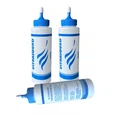


As a supplier of Aerosol Inhaler Spacers in the respiratory care industry, I often encounter inquiries from medical professionals, patients, and their caregivers about alternatives to these spacers. While aerosol inhaler spacers are widely recognized for enhancing the delivery of inhaled medications, understanding the potential alternatives can be beneficial in various situations.
Understanding Aerosol Inhaler Spacers
Before delving into alternatives, it's essential to understand the function of an aerosol inhaler spacer. A spacer is a device that attaches to an inhaler, creating a chamber where the medication can accumulate. This allows the user more time to inhale the medication properly, reducing the need for precise coordination between pressing the inhaler and breathing in, which can be particularly challenging for children, the elderly, or those with certain medical conditions. Moreover, using a spacer can minimize the amount of medication deposited in the mouth and throat, thus reducing the risk of side effects.
Alternatives to Aerosol Inhaler Spacers
1. Nebulizers
Nebulizers are one of the most well - known alternatives to aerosol inhaler spacers. A nebulizer is a machine that converts liquid medication into a fine mist that can be inhaled through a mouthpiece or a mask. Unlike inhalers, which require a certain level of coordination, nebulizers are relatively easy to use. They are especially useful for patients who have difficulty using inhalers effectively, such as young children or individuals with severe respiratory distress.
However, nebulizers also have some drawbacks. They are generally bulkier and more expensive than inhalers with spacers. They also require a power source, either electrical or battery - operated, which can be a limitation in some situations, such as during travel. Additionally, nebulizer treatments usually take longer than using an inhaler with a spacer, often ranging from 5 to 15 minutes.
2. Dry Powder Inhalers (DPIs)
Dry powder inhalers are another alternative to aerosol inhaler spacers. DPIs deliver medication in a dry powder form, which is inhaled directly into the lungs. They do not require a propellant like traditional aerosol inhalers, and some models do not require the use of a spacer. DPIs are often more compact and easier to carry than nebulizers, making them a popular choice for patients on the go.
One of the main challenges with DPIs is that they require a strong and fast inhalation to be effective. Patients who have weak respiratory muscles, such as the elderly or those with advanced lung disease, may not be able to generate enough airflow to use DPIs properly. Additionally, DPIs can be affected by humidity, which may reduce the effectiveness of the medication.
3. Soft Mist Inhalers
Soft mist inhalers are a relatively new type of inhaler that offers an alternative to aerosol inhaler spacers. These inhalers deliver medication as a slow - moving, fine mist. The slow - moving mist allows more time for the patient to inhale the medication, similar to using a spacer. Soft mist inhalers do not require a propellant, and they are generally easier to use than traditional aerosol inhalers.
However, soft mist inhalers also have limitations. They are more complex in design than traditional inhalers, which may increase the cost. They also need to be primed before use, and the medication may need to be stored in a specific way to maintain its effectiveness.
4. Homemade Spacers
In situations where commercial aerosol inhaler spacers are not available, some people have resorted to using homemade spacers. For example, a simple cardboard tube or a plastic bottle with one end cut off can be used as a makeshift spacer. While homemade spacers can provide some benefit, they are not as effective as commercial spacers. They may not have the proper design to optimize medication delivery, and they may not be hygienic.
Considerations When Choosing an Alternative
When considering alternatives to an aerosol inhaler spacer, several factors should be taken into account.
1. Patient's Condition
The patient's age, physical ability, and the severity of their respiratory condition are crucial factors. For example, young children or patients with severe respiratory distress may benefit more from a nebulizer, while patients who are mobile and have good respiratory function may find a dry powder inhaler or a soft mist inhaler more suitable.
2. Cost
Cost is an important consideration, especially for patients who need to use inhaled medications regularly. Nebulizers are generally more expensive than inhalers and spacers, both in terms of the initial purchase and the ongoing cost of replacement parts and medications.
3. Convenience
Convenience is another factor to consider. If a patient is frequently on the move, a compact and easy - to - use inhaler, such as a dry powder inhaler or a soft mist inhaler, may be more suitable. On the other hand, if a patient has access to a power source and has more time for treatment, a nebulizer may be a good option.


Our Role as an Aerosol Inhaler Spacer Supplier
As a supplier of aerosol inhaler spacers, we understand the importance of providing high - quality products that meet the needs of our customers. Our spacers are designed to ensure optimal medication delivery, reduce the risk of side effects, and are easy to use. We also offer a range of accessories and support services to help our customers get the most out of our products.
In addition to our aerosol inhaler spacers, we also supply other respiratory care products, such as Medical Yankauer Suction Tube, Standard Endotracheal Tubes, and Anesthesia Mask for Surgery. These products are designed to work together to provide comprehensive respiratory care solutions.
Conclusion
While there are several alternatives to aerosol inhaler spacers, each option has its own advantages and disadvantages. The choice of the most appropriate device depends on various factors, including the patient's condition, cost, and convenience. As a supplier, we are committed to providing our customers with the information and products they need to make informed decisions about their respiratory care.
If you are interested in learning more about our aerosol inhaler spacers or other respiratory care products, we encourage you to contact us for further discussions. We are always ready to assist you in finding the most suitable solutions for your needs.
References
- American Thoracic Society. Guidelines for the diagnosis and management of asthma. American Thoracic Society, 2020.
- Global Initiative for Asthma (GINA). Global Strategy for Asthma Management and Prevention. GINA, 2021.
- National Heart, Lung, and Blood Institute. Expert Panel Report 3: Guidelines for the Diagnosis and Management of Asthma - Full Report 2007. National Institutes of Health, 2007.