




In the medical field, the question of whether hypodermic needles are disposable is not only a matter of common concern but also a critical issue related to patient safety and medical hygiene. As a hypodermic supplier, I have witnessed firsthand the importance of this topic and the impact it has on the healthcare industry.
The Necessity of Disposable Hypodermic Needles
Disposable hypodermic needles have become the standard in modern medicine for several compelling reasons. First and foremost, they play a crucial role in preventing the transmission of infectious diseases. Reusing needles can lead to the spread of blood - borne pathogens such as hepatitis B, hepatitis C, and HIV. When a needle is used on one patient and then reused on another without proper sterilization, there is a high risk of transferring these dangerous viruses.
For example, in some developing regions where resources are limited and proper disposal methods are not in place, the reuse of needles has led to significant outbreaks of infectious diseases. A study published in the Lancet found that a large number of new hepatitis C infections were directly linked to the reuse of unsterilized needles in healthcare settings.
Secondly, disposable needles ensure consistent performance. Each new needle is manufactured to strict quality standards, guaranteeing a sharp tip and smooth operation. Reused needles may become dull or bent, which can cause pain to the patient during injection and may also affect the accuracy of the dosage.
The Manufacturing and Quality Assurance of Disposable Hypodermic Needles
As a hypodermic supplier, we take great pride in the manufacturing process of our disposable needles. Our needles are made from high - quality medical - grade stainless steel, which is not only durable but also resistant to corrosion. The manufacturing process involves precision machining to ensure the sharpness and integrity of the needle tip.
We also implement a rigorous quality assurance system. Every batch of needles undergoes multiple inspections, including visual inspection, mechanical testing, and microbiological testing. Visual inspection checks for any visible defects such as cracks or burrs on the needle. Mechanical testing measures the strength and flexibility of the needle to ensure it can withstand normal use without breaking. Microbiological testing is crucial to ensure that the needles are free from harmful bacteria and other microorganisms.
Related Disposable Medical Products
In addition to hypodermic needles, we also offer a range of related disposable medical products. One of our popular products is the Disposable Blood Transfusion Set. This set is designed for safe and efficient blood transfusion. It is made from medical - grade plastic materials that are non - toxic and biocompatible. The set includes a tube, a drip chamber, and a needle, all of which are disposable to prevent cross - contamination.
Another important product is the Blood Infusion Bag. These bags are used to store and administer blood or other fluids. They are made from flexible, transparent materials that allow for easy monitoring of the fluid level. The bags are also designed with safety features such as anti - leakage valves and air vents to ensure the safe delivery of the fluid.
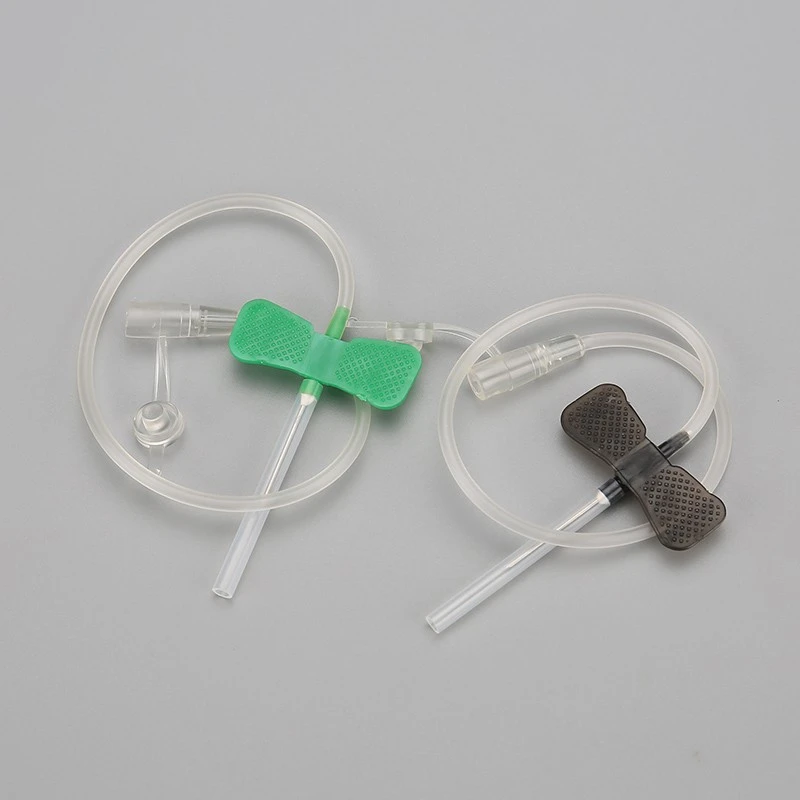

We also provide the Butterfly Scalp Vein Set. This set is commonly used for pediatric patients or patients with difficult venous access. The butterfly - shaped design makes it easier to insert the needle into the vein, and the flexible tubing allows for greater mobility during the injection process.
Environmental Considerations
While the use of disposable hypodermic needles is essential for patient safety, it also raises environmental concerns. Disposable medical products generate a significant amount of waste, which can have a negative impact on the environment if not properly managed.
As a responsible supplier, we are committed to minimizing our environmental footprint. We use recyclable materials whenever possible in the manufacturing of our products. We also encourage our customers to follow proper waste disposal procedures. For example, used needles should be placed in puncture - resistant containers and then sent to specialized medical waste treatment facilities for safe disposal.
The Future of Disposable Hypodermic Needles
The future of disposable hypodermic needles looks promising. With the continuous development of medical technology, we can expect to see more innovative designs and features. For example, some researchers are working on developing needles with self - retracting mechanisms. These needles automatically retract after use, reducing the risk of accidental needlestick injuries to healthcare workers.
There is also a growing trend towards the use of biodegradable materials in the manufacturing of disposable needles. Biodegradable needles would break down naturally over time, reducing the amount of medical waste in landfills.
Contact Us for Procurement
If you are interested in our disposable hypodermic needles or any of our other medical products, we invite you to contact us for procurement. We offer competitive prices, high - quality products, and excellent customer service. Our team of experts is ready to assist you with any questions or concerns you may have. Whether you are a hospital, a clinic, or a medical distributor, we can provide you with the products you need to ensure the safety and well - being of your patients.
References
- Lancet. (Year). Study on the link between needle reuse and hepatitis C outbreaks.
- World Health Organization. Guidelines for the safe use and disposal of medical devices.